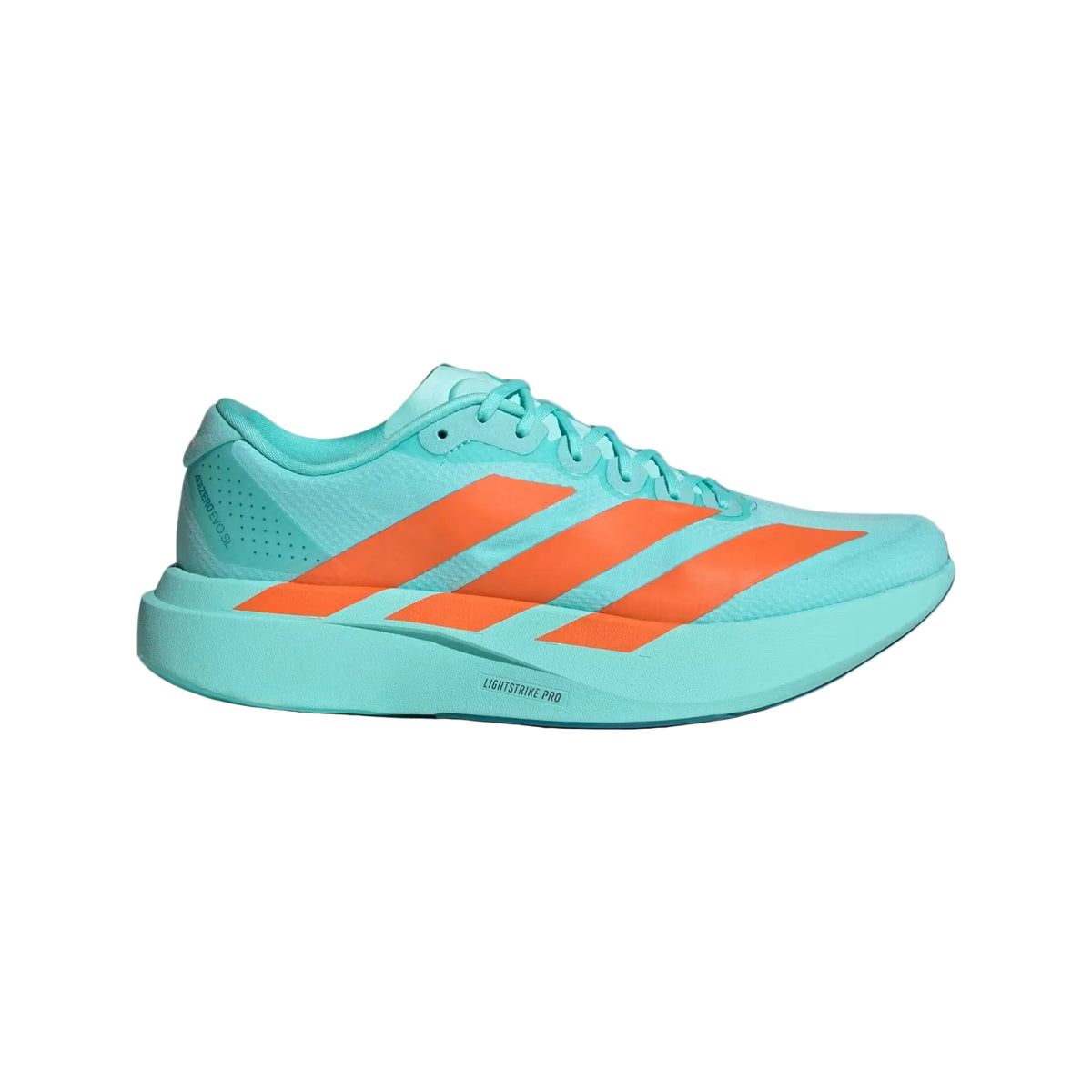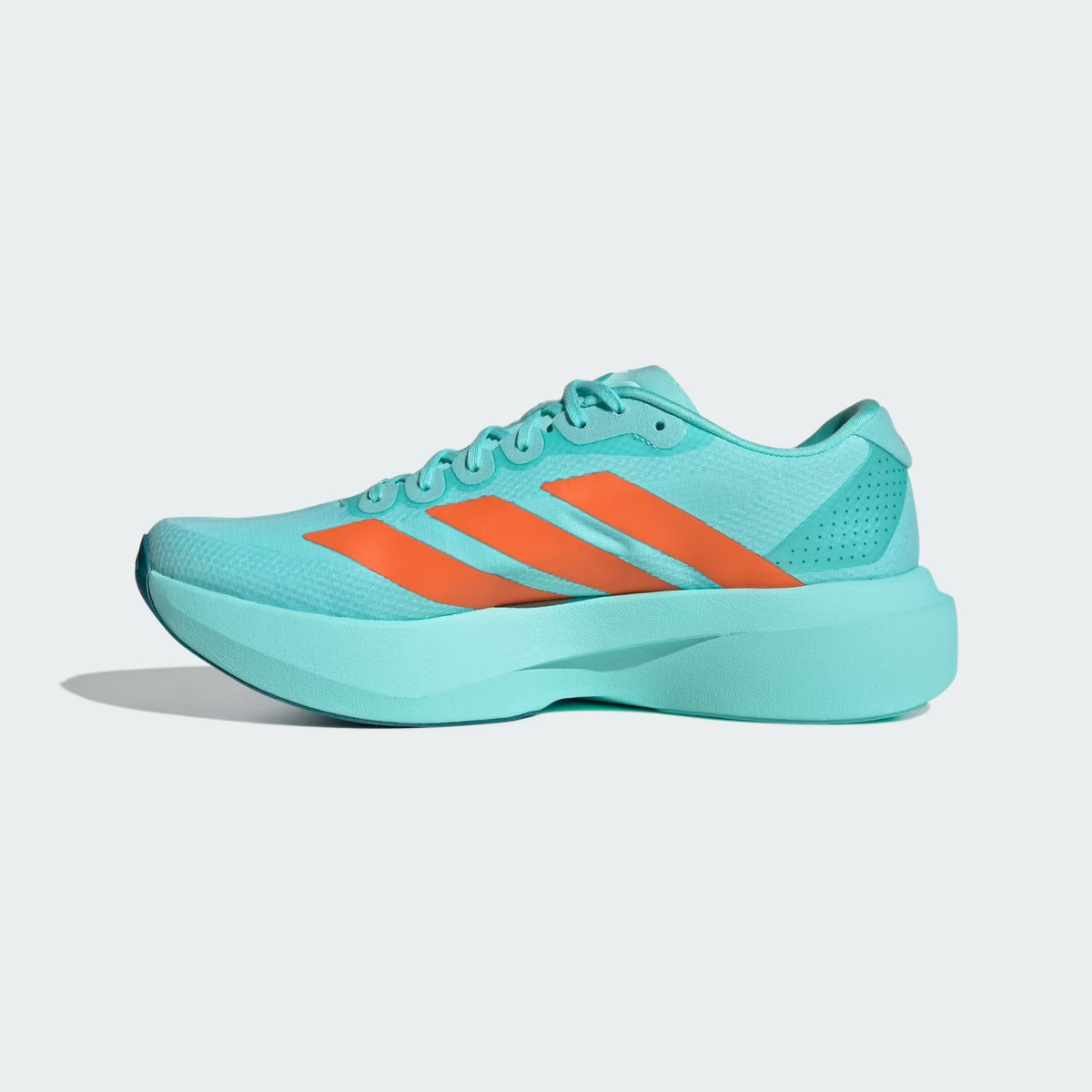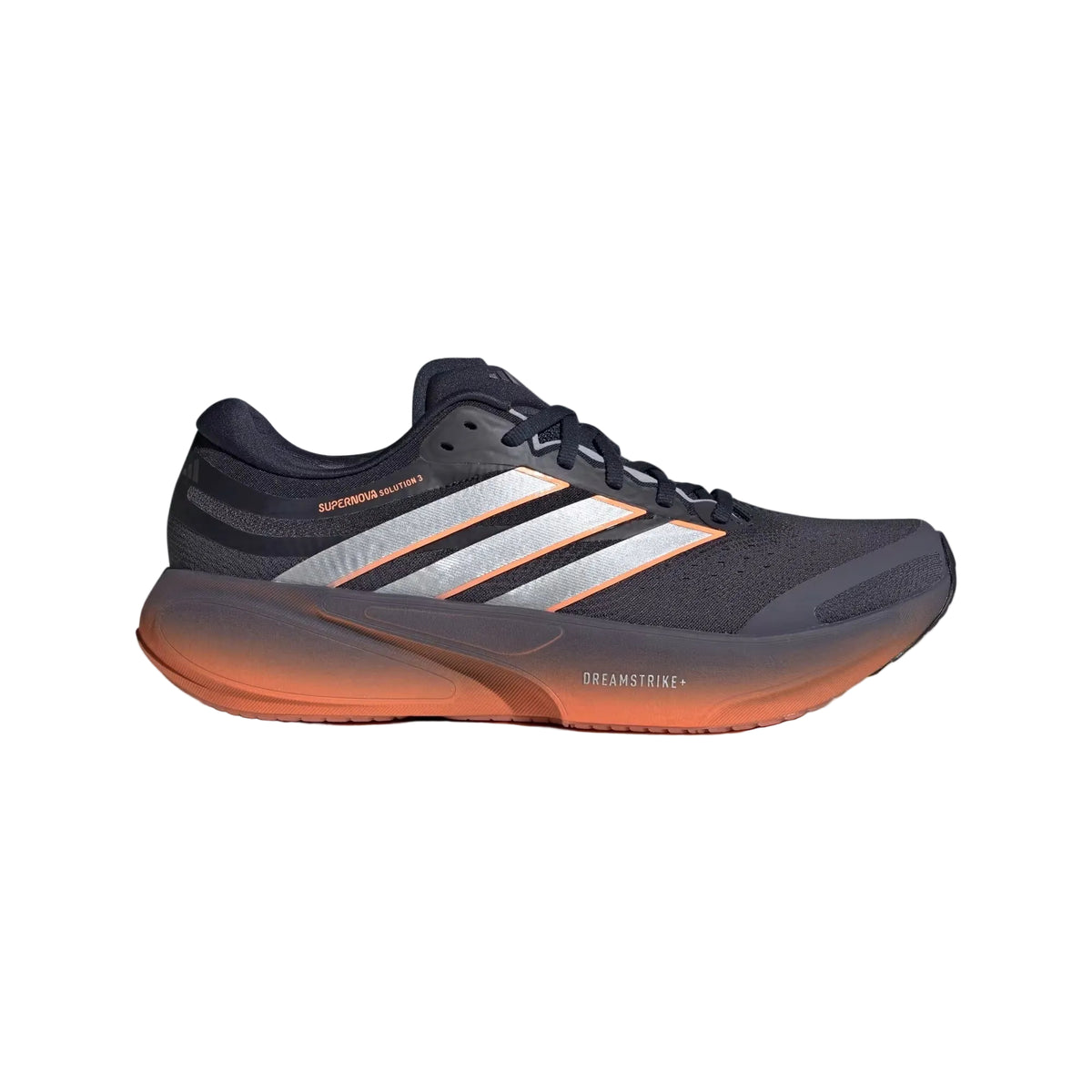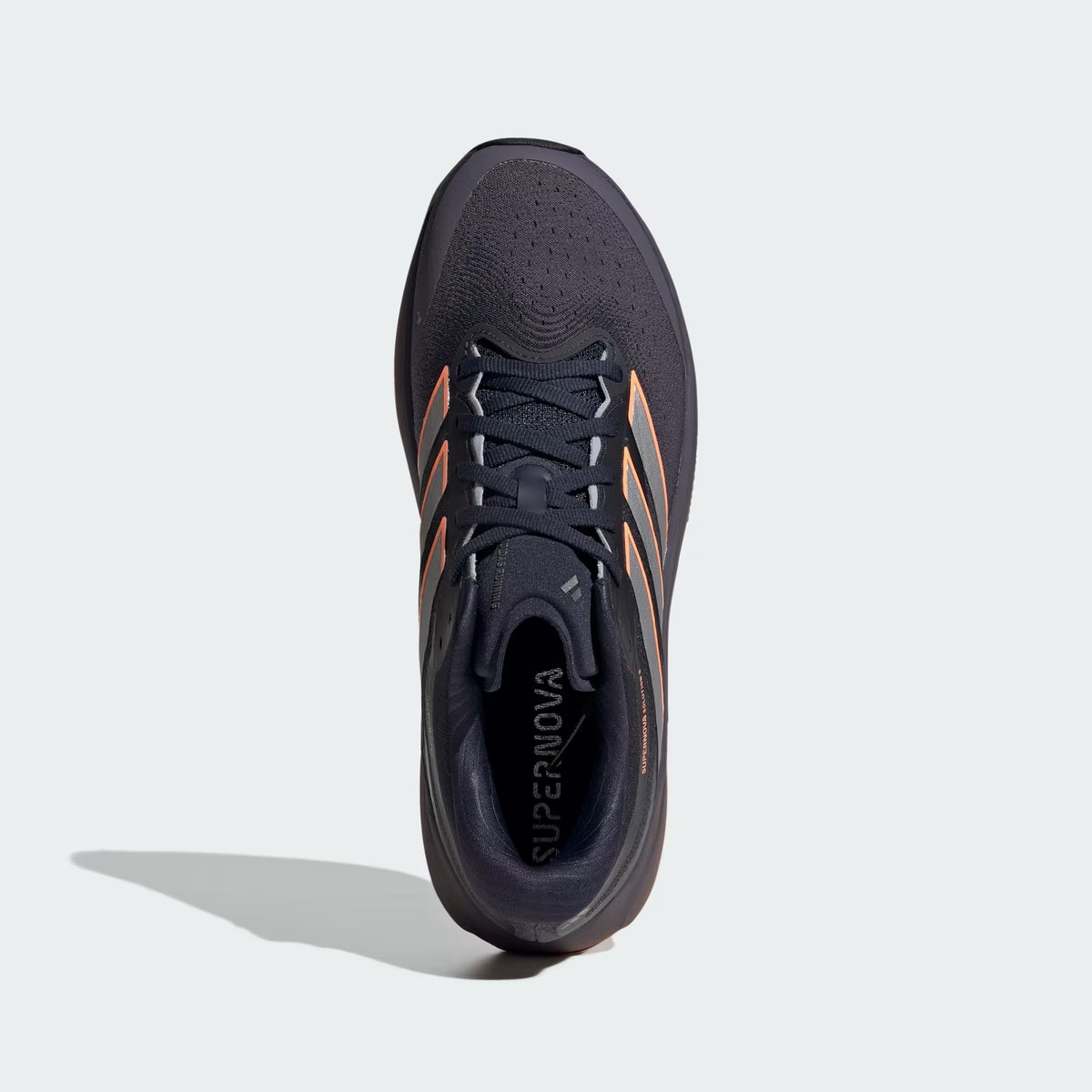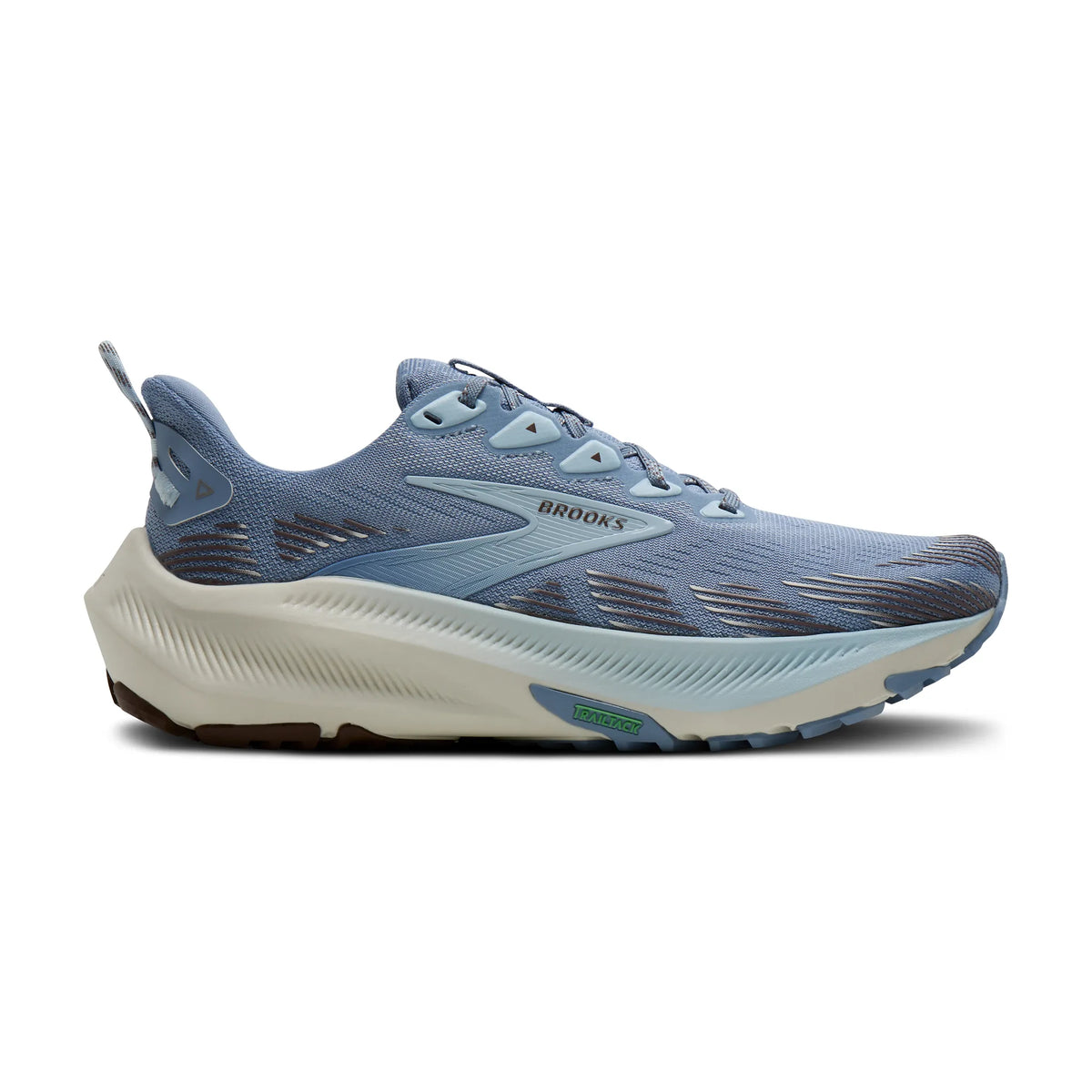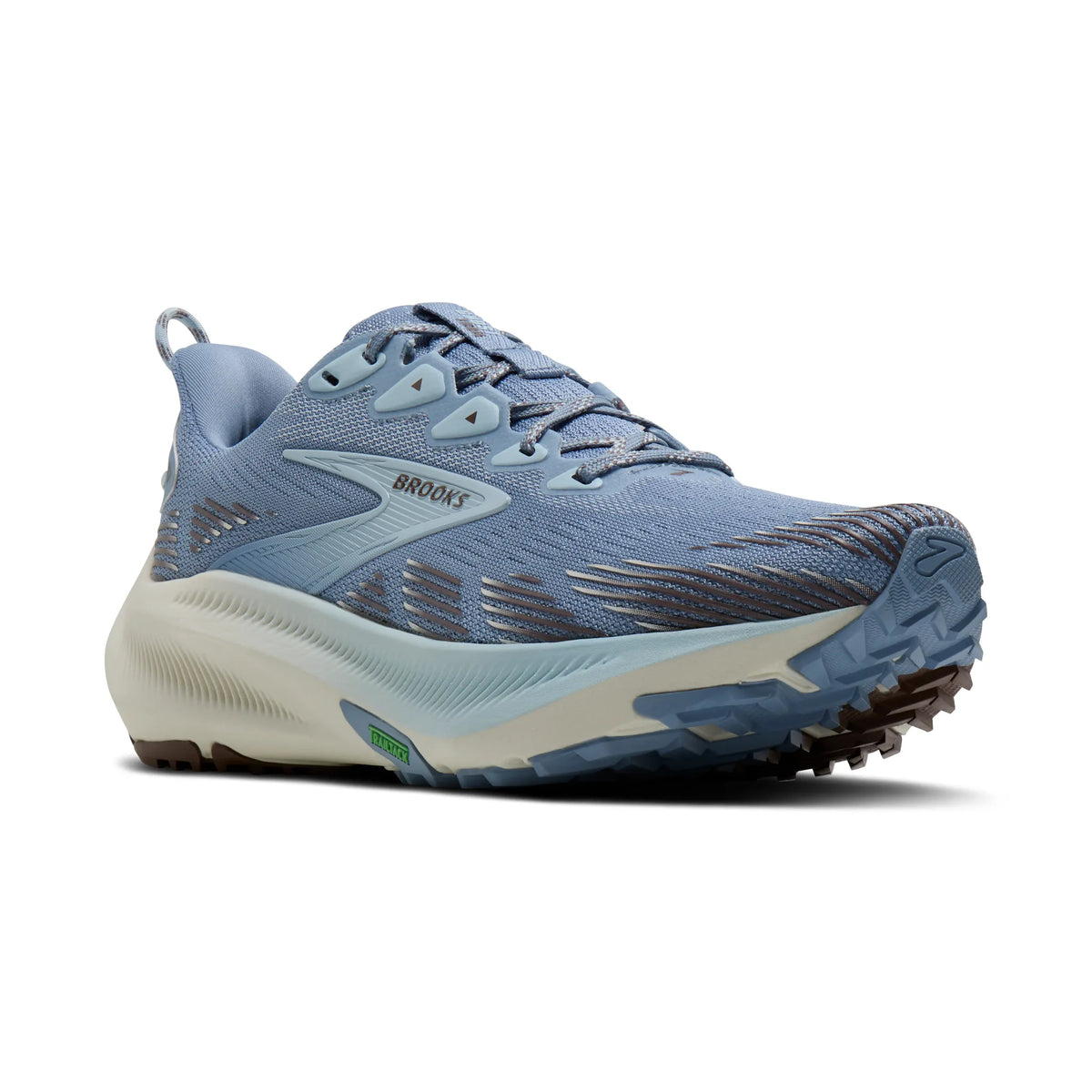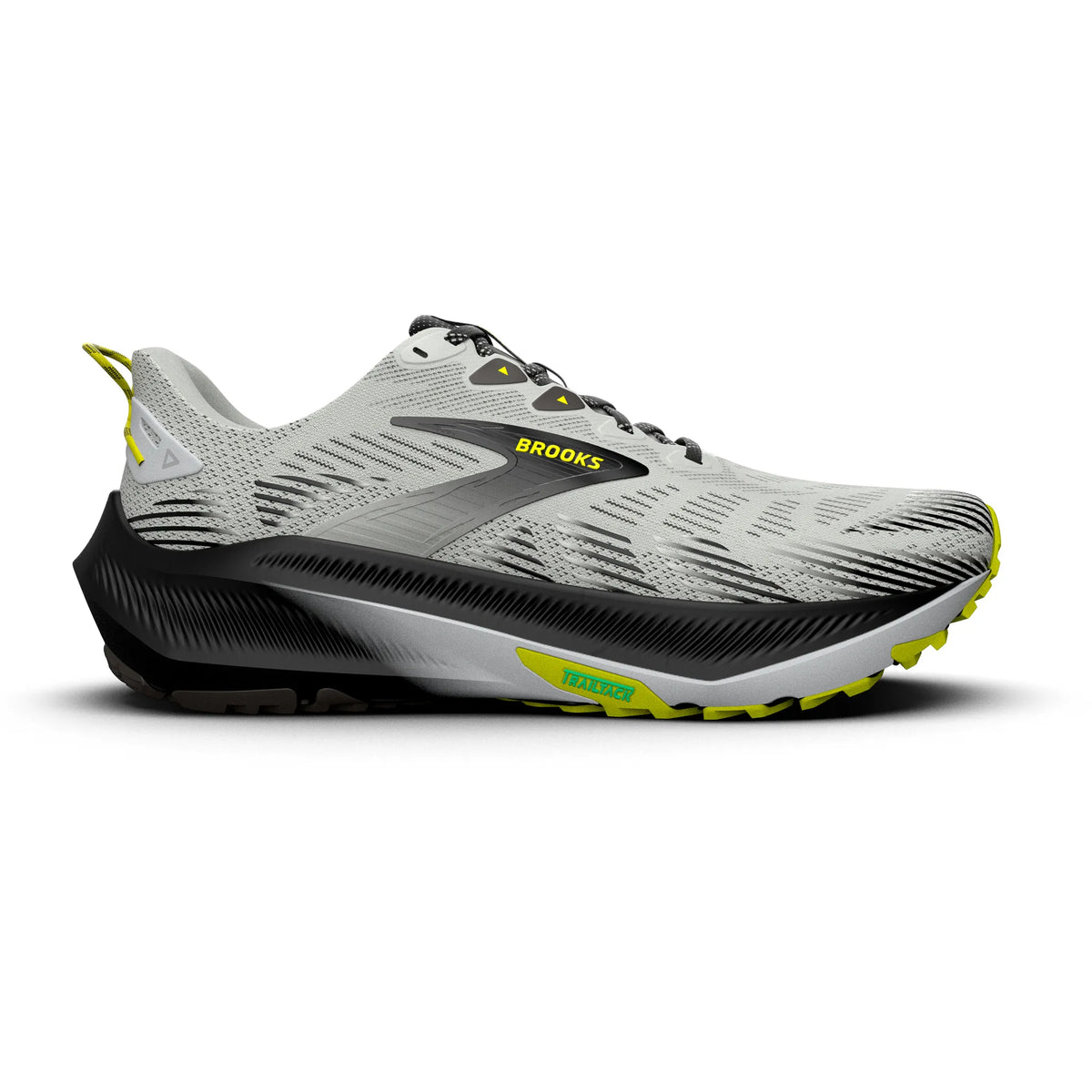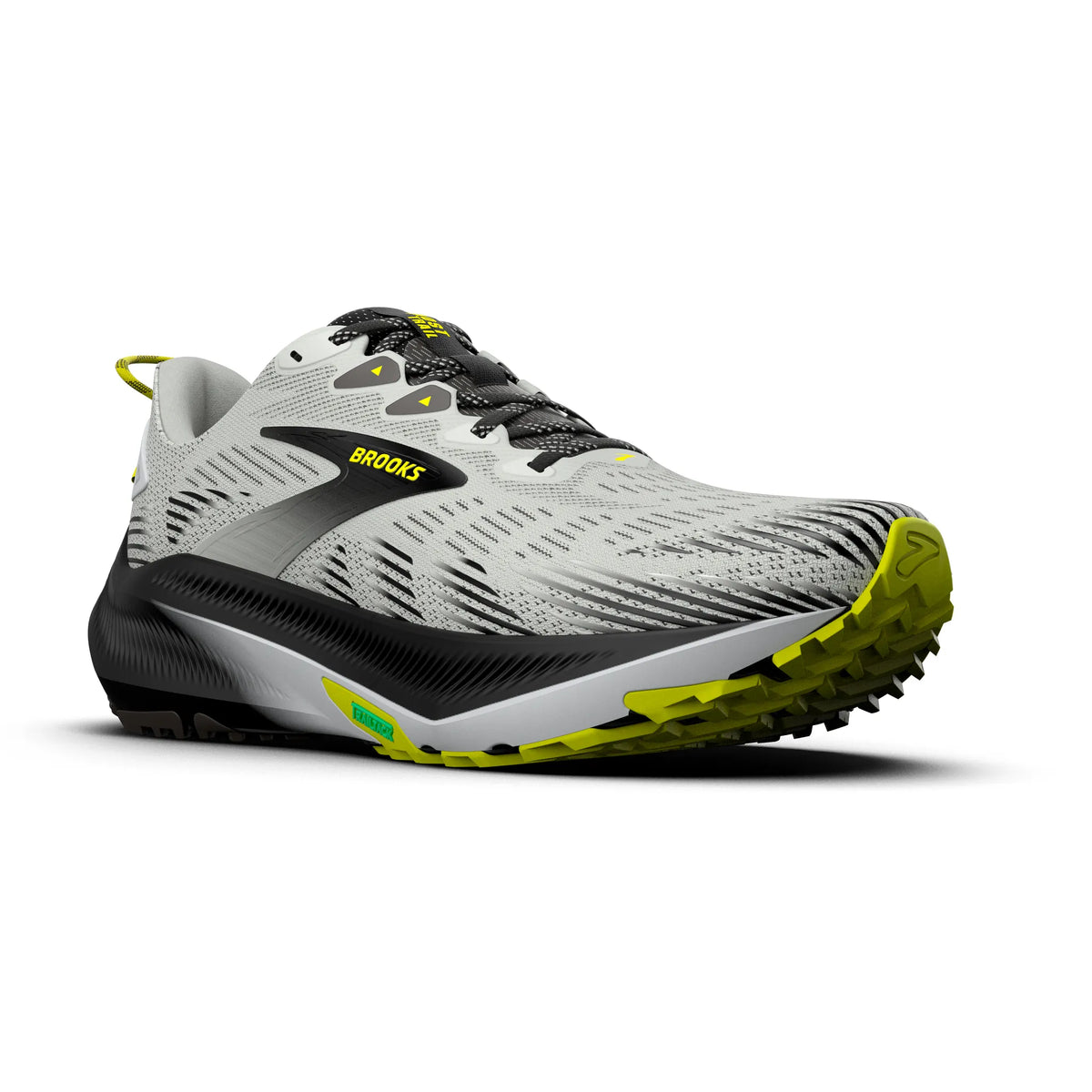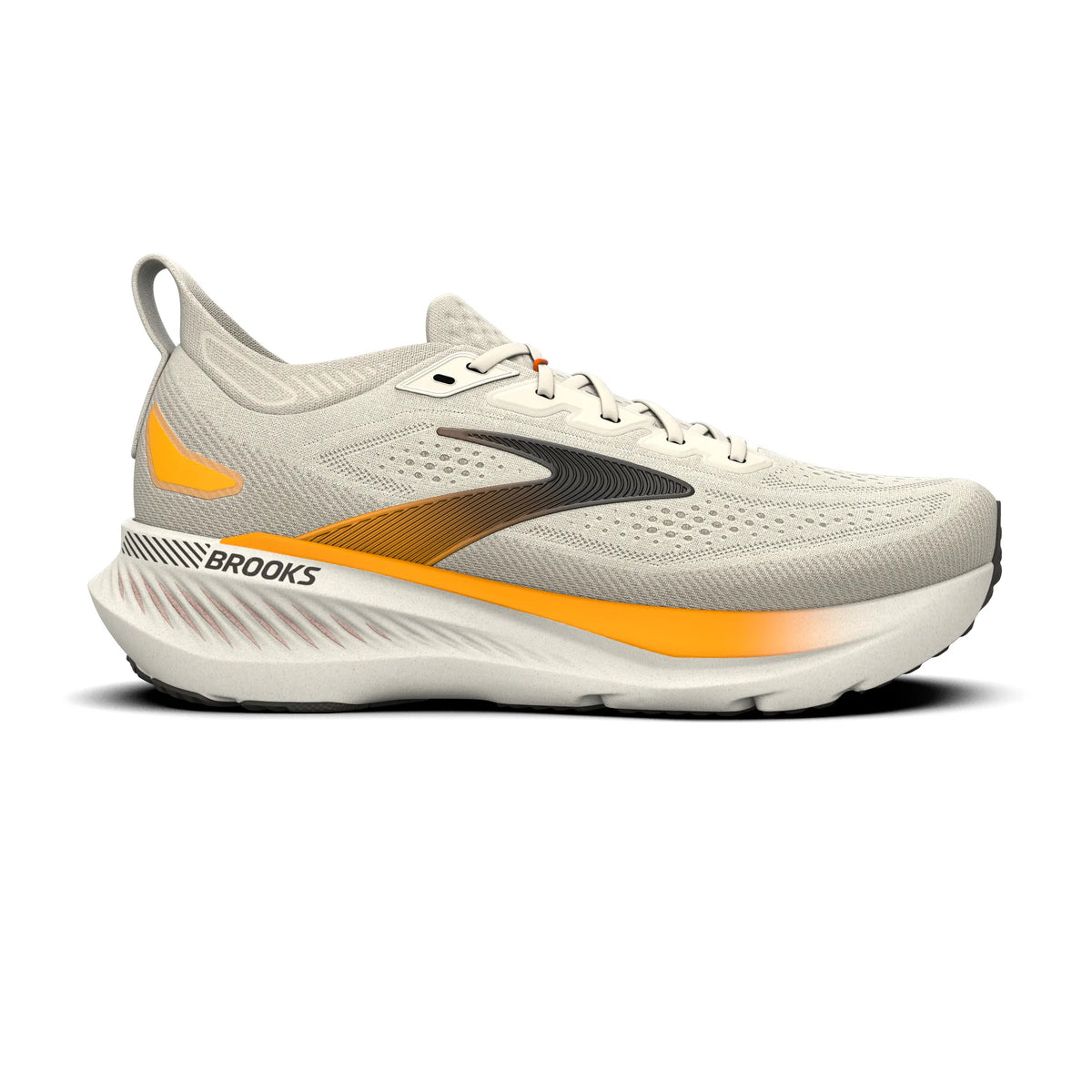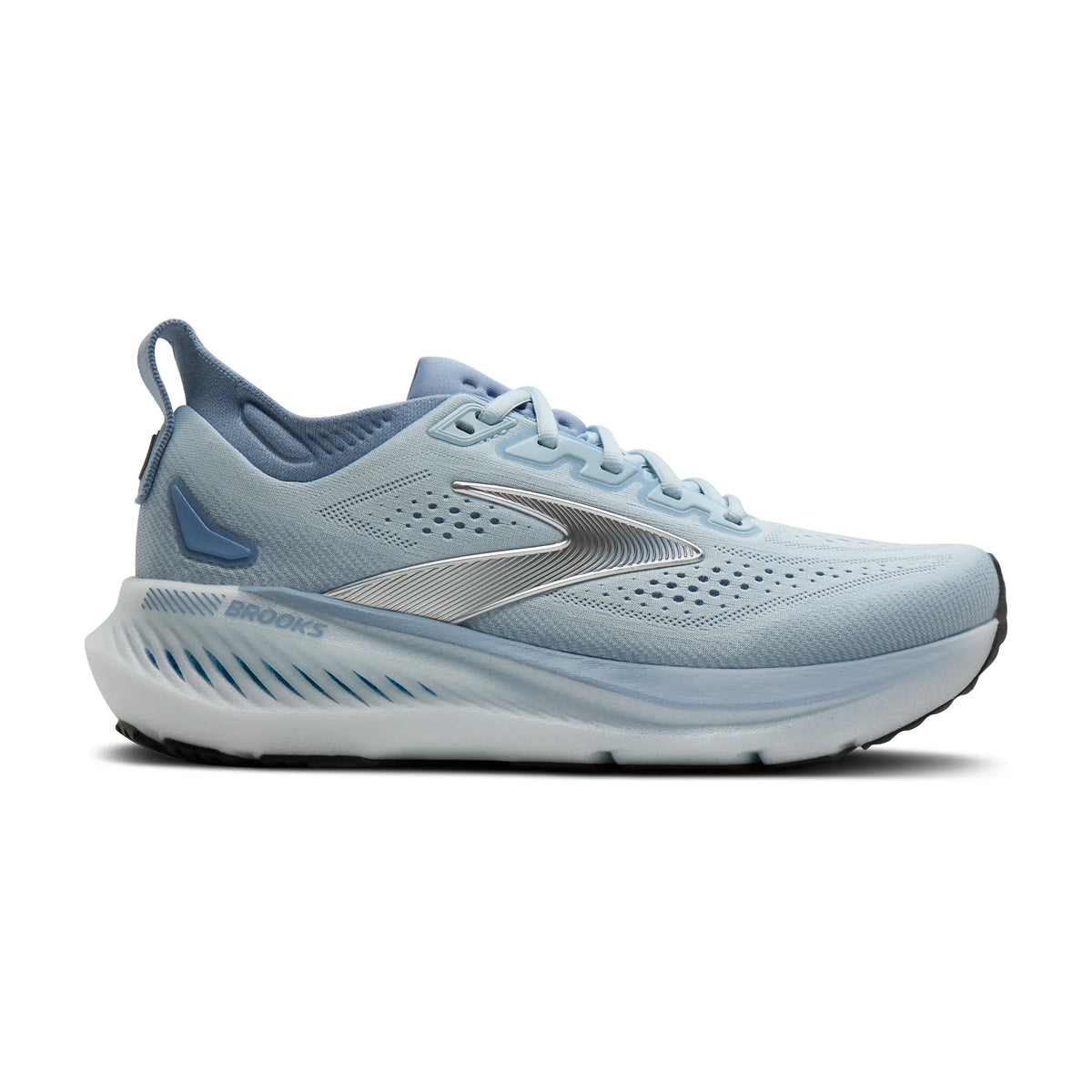

2026 Running Shoes: How to choose the right ones | Affari&Sport
Choosing a running shoe doesn't simply mean finding the most comfortable model or the one worn by the fastest athletes.
The right shoe depends on how you run, how much you run, and above all, what you want to achieve.
A runner who heads out three times a week at an easy pace has very different needs from someone preparing for a marathon. Similarly, a shoe perfect for a 10 km race might not be the ideal choice for racking up weekly mileage.
Let's look at which features to consider before choosing your next pair of running shoes.
Start with how you will use the shoe
Even before talking about drop, weight, or materials, ask yourself one question:
What will I use these shoes for?
We can divide running shoes into four broad categories.
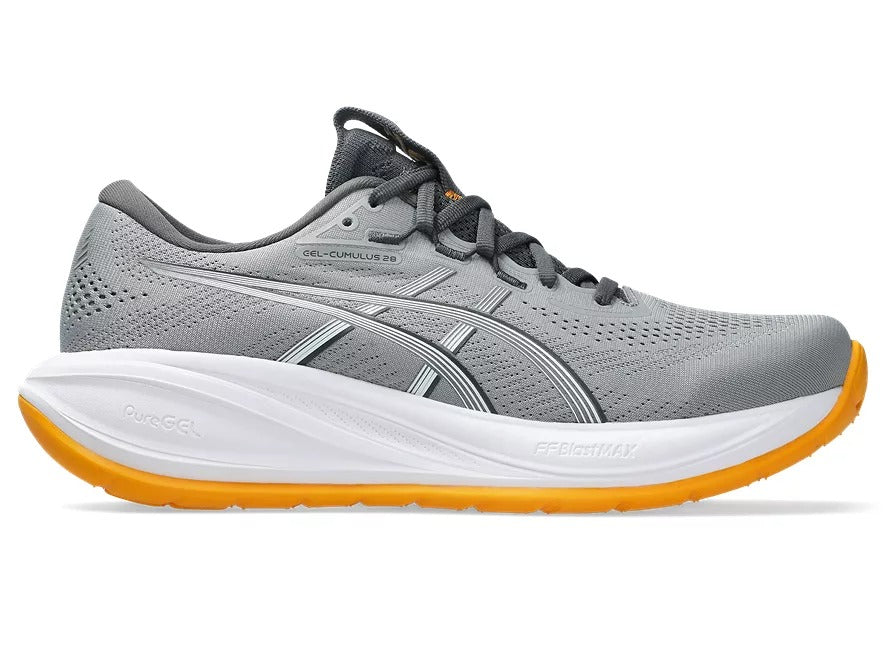
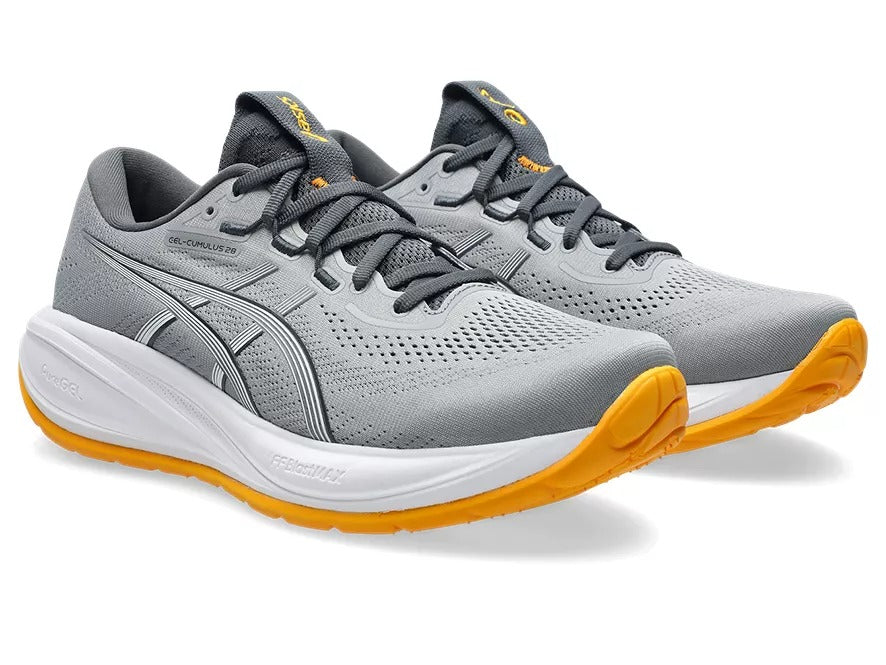
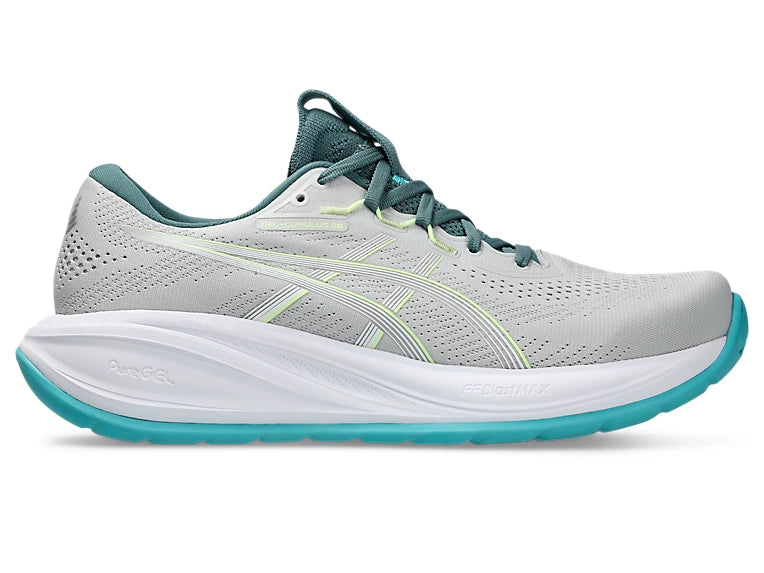
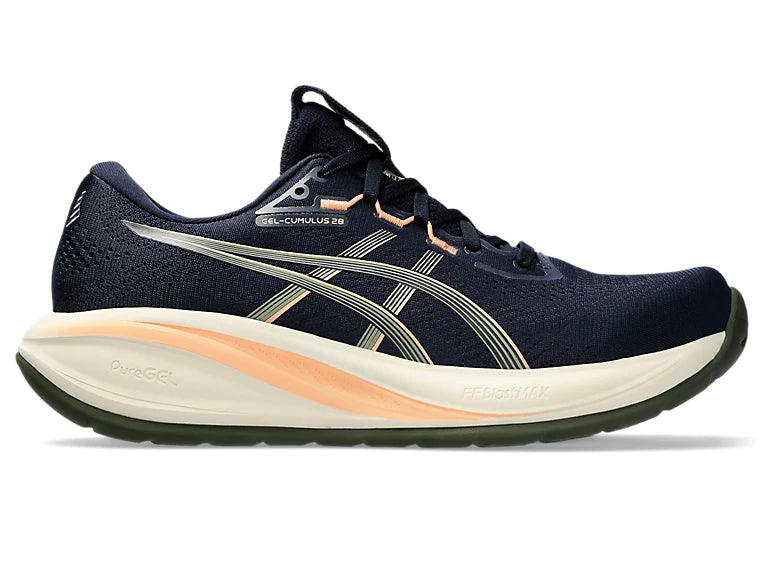
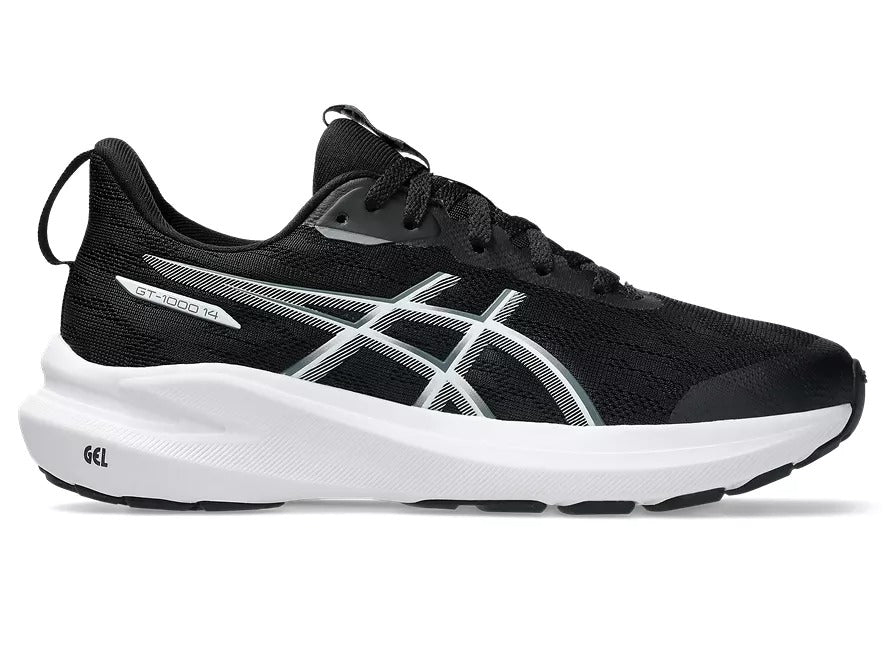
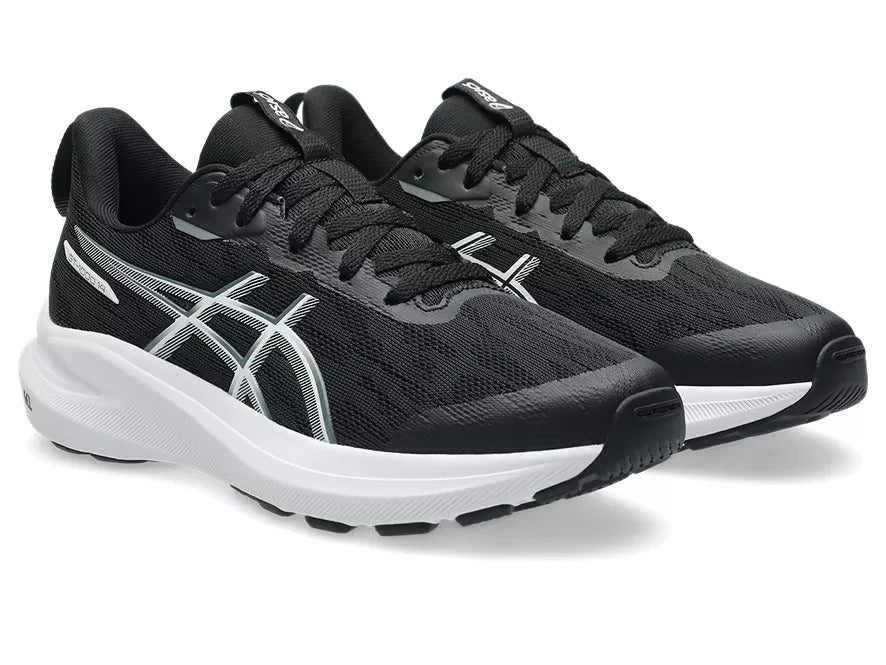
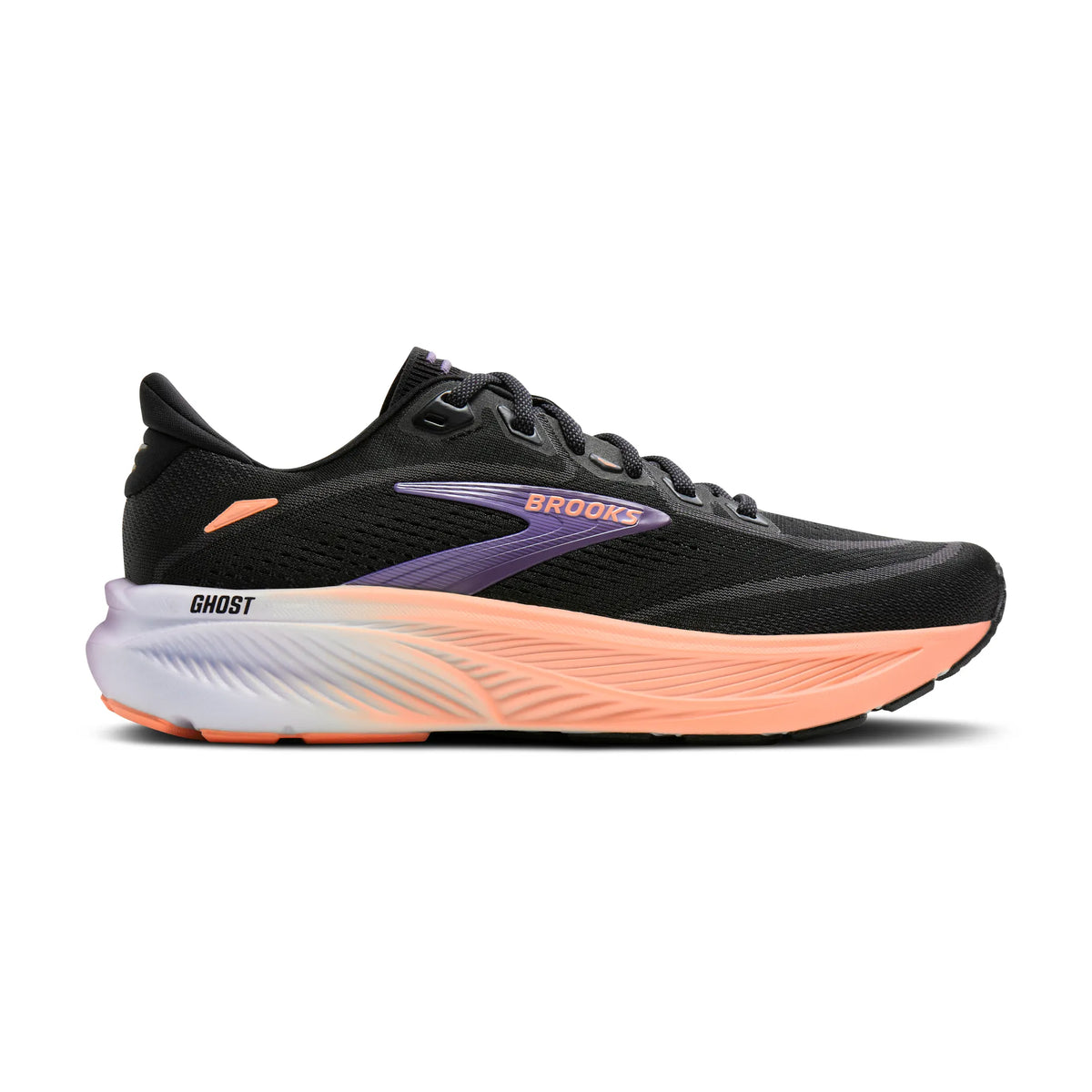
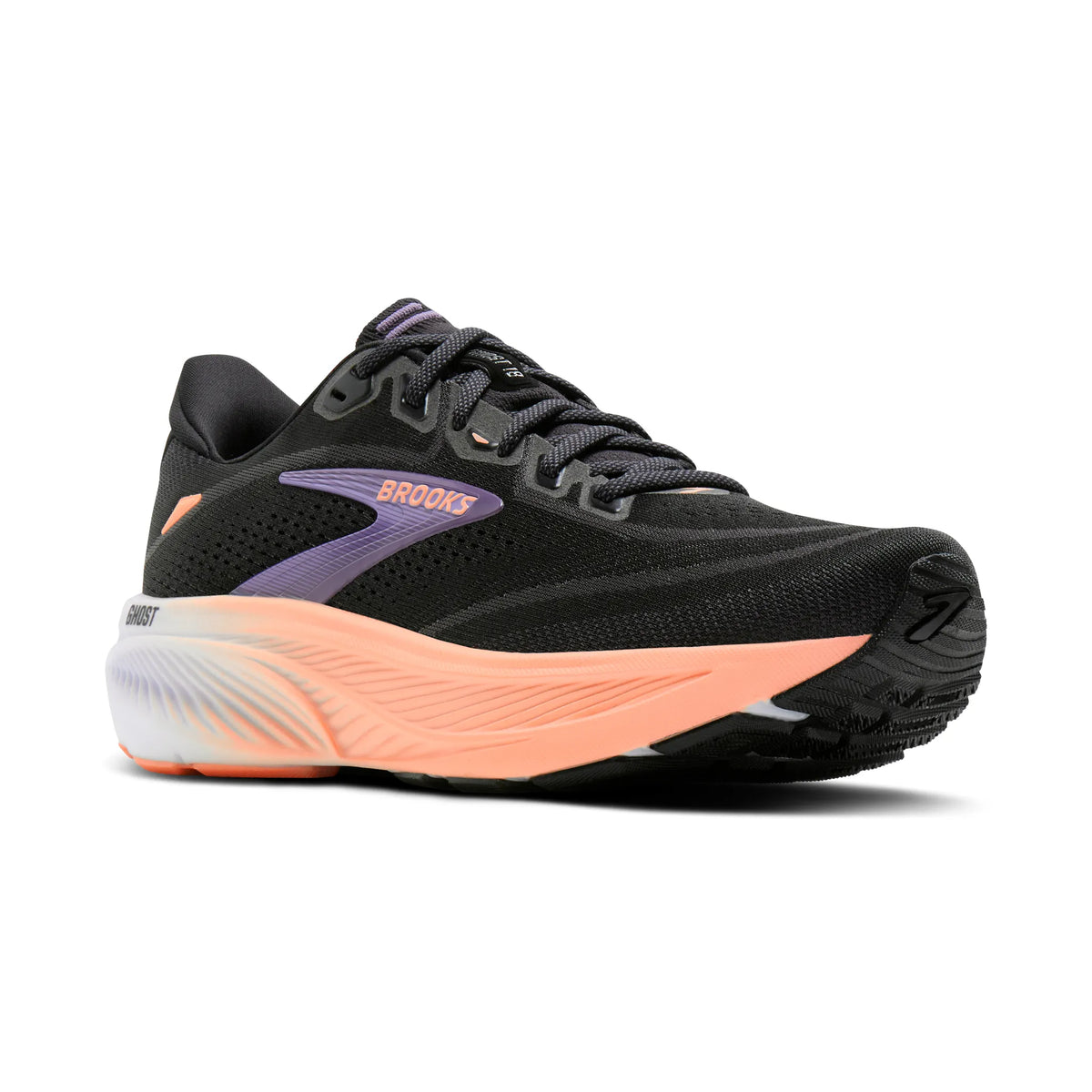
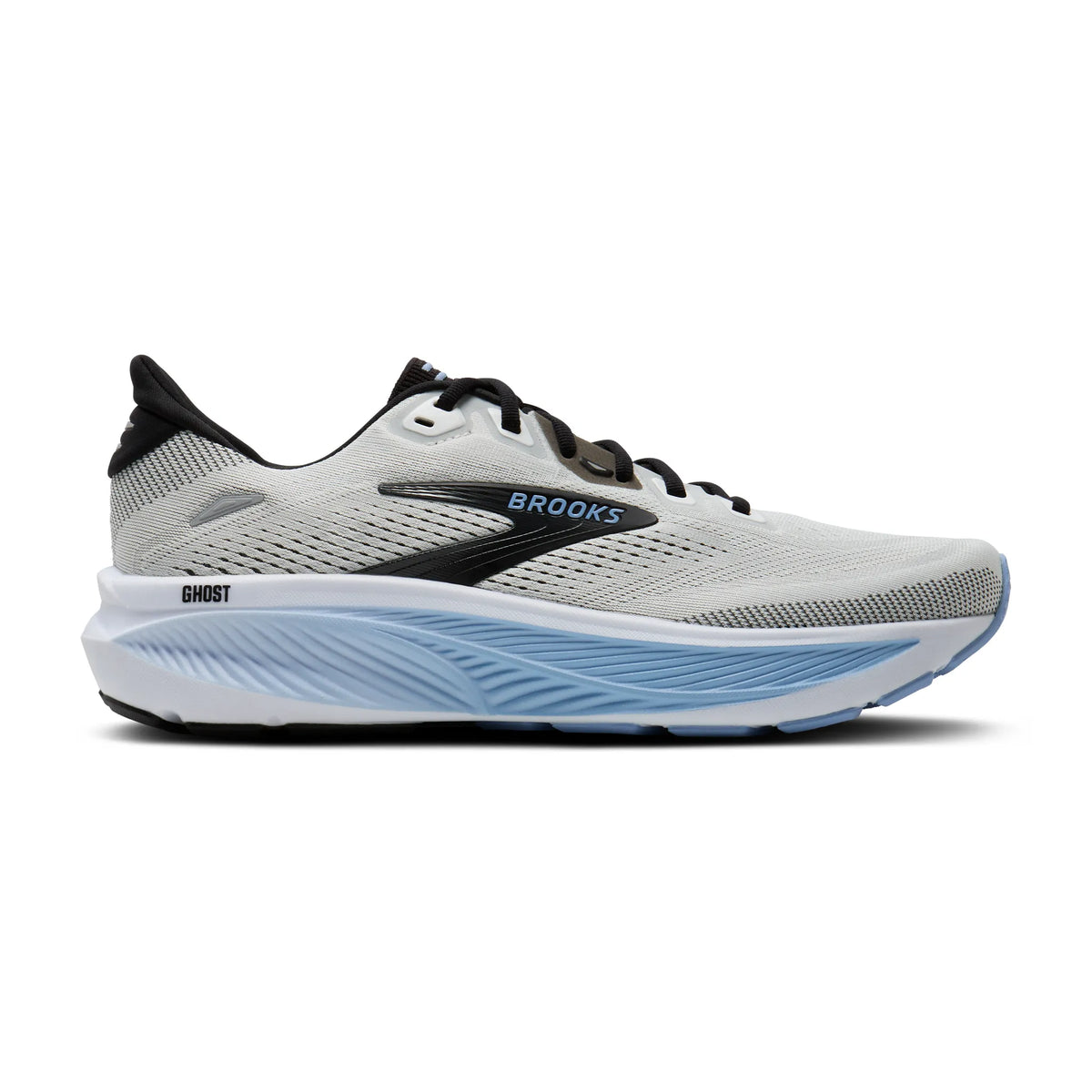
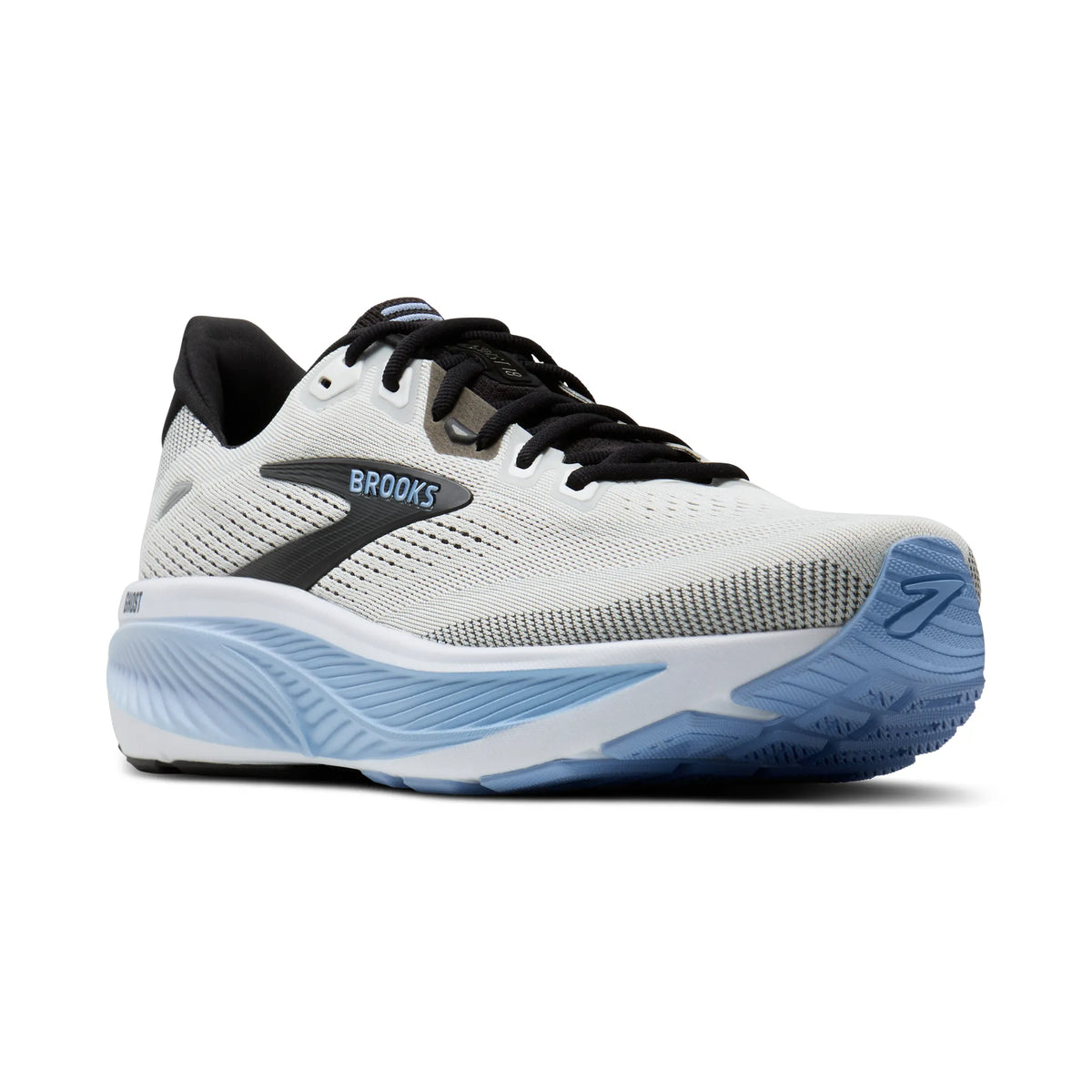
1. Daily trainer: for everyday training
These are the most versatile shoes.
They generally offer a good balance of cushioning, stability, and durability, and are designed to handle the bulk of your weekly mileage.
They are the ideal choice for:
-
easy runs;
-
aerobic base runs;
-
daily workouts;
-
beginner runners;
-
those looking for a single shoe to do almost everything.
For many runners, they represent the foundation of their rotation.
2. Cushioned shoes: comfort on long distances
So-called max cushion shoes have generous midsoles and focus primarily on comfort.
They are particularly appealing for those running high mileage, for long training runs in marathon prep, and for recovery days.
But beware of a common mistake: more cushioning doesn't automatically mean a better shoe.
A very soft shoe must still provide a sufficiently stable platform and a geometry suited to your running style.
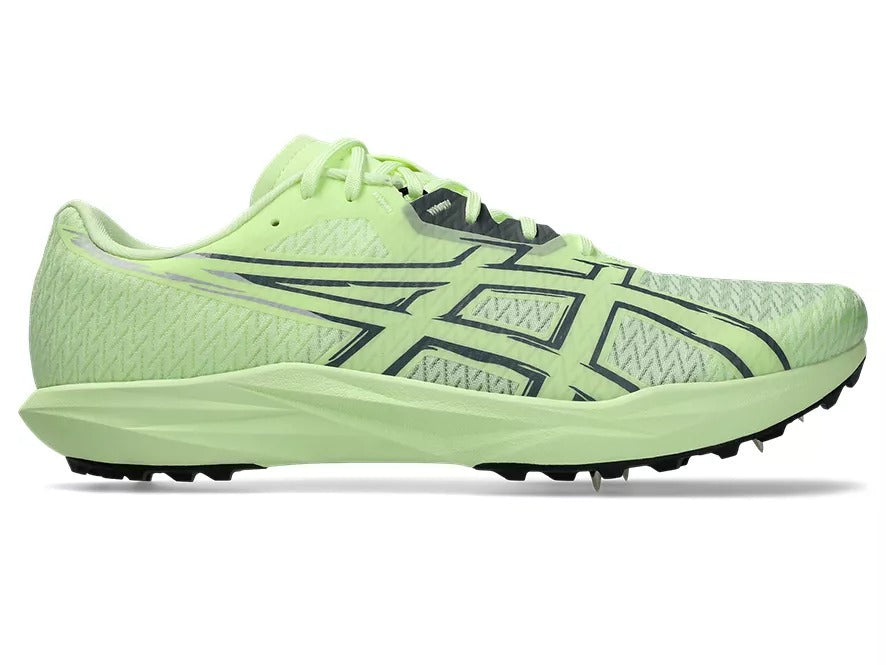
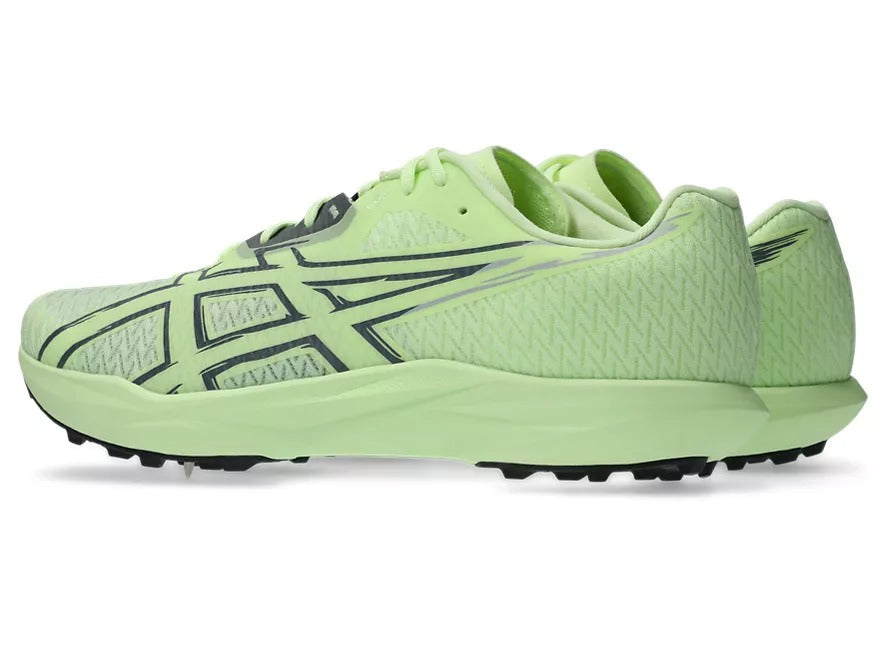
3. Speed shoes for intervals and quality workouts
As your pace increases, so do your needs.
A lighter, more responsive shoe with an aggressive geometry can make workouts such as the following more enjoyable:
-
intervals;
-
interval training;
-
tempo runs;
-
progression runs;
-
race-pace workouts.
In this category, we find both traditional lightweight shoes and modern super trainers, which utilize technology derived from racing shoes while maintaining greater comfort and durability.
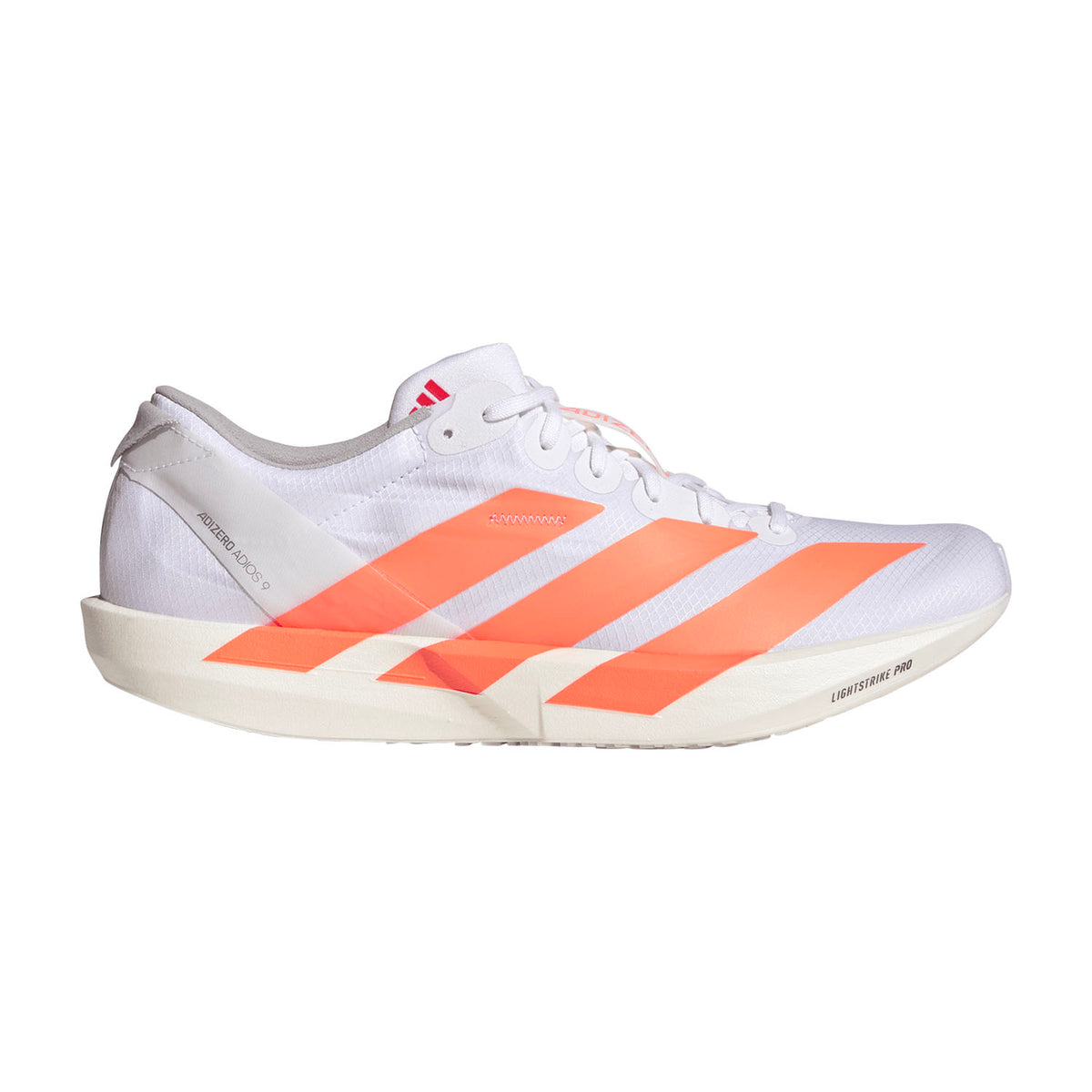
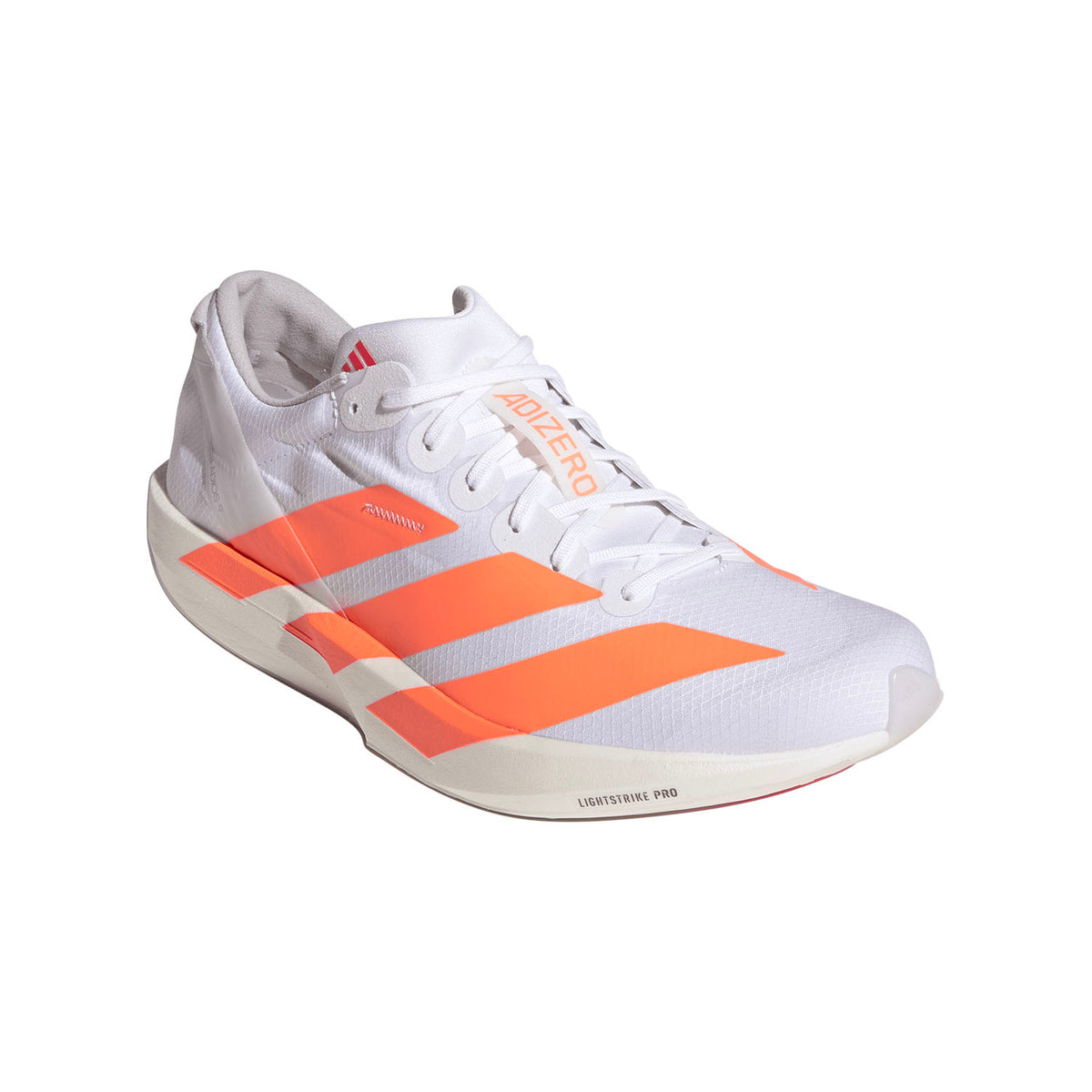
4. Racing and carbon-plated shoes
In recent years, plated shoes have transformed the world of road racing.
The most advanced models generally combine highly responsive foams, rocker geometries, and rigid structures made of carbon or other materials.
The result is a shoe designed to run fast.
However, that doesn't mean everyone needs a plated shoe.
If your main goal is to run slowly three times a week, a good daily trainer is likely a more rational choice.
If, on the other hand, you are chasing a personal best in a 10K, half-marathon, or marathon, a racing shoe may make much more sense.
Runner weight: does it really matter?
Yes, but there is no formula like:
"I weigh 80 kg = I must buy this shoe."
Weight is just one of the elements to consider.
Two runners of the same weight can have completely different techniques, speeds, footstrikes, and training volumes.
In general, as weight and distance increase, it may become important to look for a platform capable of offering sufficient cushioning and stability, without focusing exclusively on the stated weight of the shoe.
What is drop?
The drop indicates the difference in height between the heel and the forefoot.
For example, if the heel is 36 mm from the ground and the forefoot is 28 mm, the drop is 8 mm.
There is no universally best drop.
Drastically changing your drop compared to the shoes you are used to can alter load distribution during running. For this reason, especially when switching to very different geometries, it is better to make the change gradually.
One shoe or multiple shoes?
If you run occasionally, a good versatile shoe may be more than enough.
If you run four, five, or more times a week, however, it may be interesting to build a running shoe rotation.
A very simple configuration could be:
Daily trainer → easy runs and daily mileage
Speed shoe → intervals and quality workouts
Racing shoe → races and specific workouts
It is not mandatory, but it allows you to use each shoe in the context for which it was designed.
How to tell if a running shoe is the right size
During a run, your foot tends to increase slightly in volume.
For this reason, a running shoe should not fit like a dress shoe.
There should be a small margin in front of your toes, while the heel and midfoot must be sufficiently stable.
Also, keep in mind that fit can vary significantly between brands and even between models from the same brand.
Which shoe to choose for 5K, 10K, half-marathon, and marathon?
5K and 10K
You can prioritize lightness and responsiveness, especially if you are chasing performance.
Half-marathon
You need a good compromise between speed and the ability to maintain comfort for over an hour of running.
Marathon
Efficiency becomes fundamental, but comfort at the 30th kilometer matters at least as much as the sensation of speed in the first five.
A shoe that is slightly less aggressive but that you can manage for 42.195 km can be a better choice than the one that is theoretically the fastest.
In conclusion
The best running shoe is not necessarily the most expensive one, the lightest one, or the one with the most technology.
It is the one that works best for your way of running.
Start with usage, consider distance, pace, comfort, and the shoe's features, and only then compare different models.
Are you looking for your next pair of running shoes?
Discover the Affari&Sport selection and compare available models to find the one best suited to your training and goals.