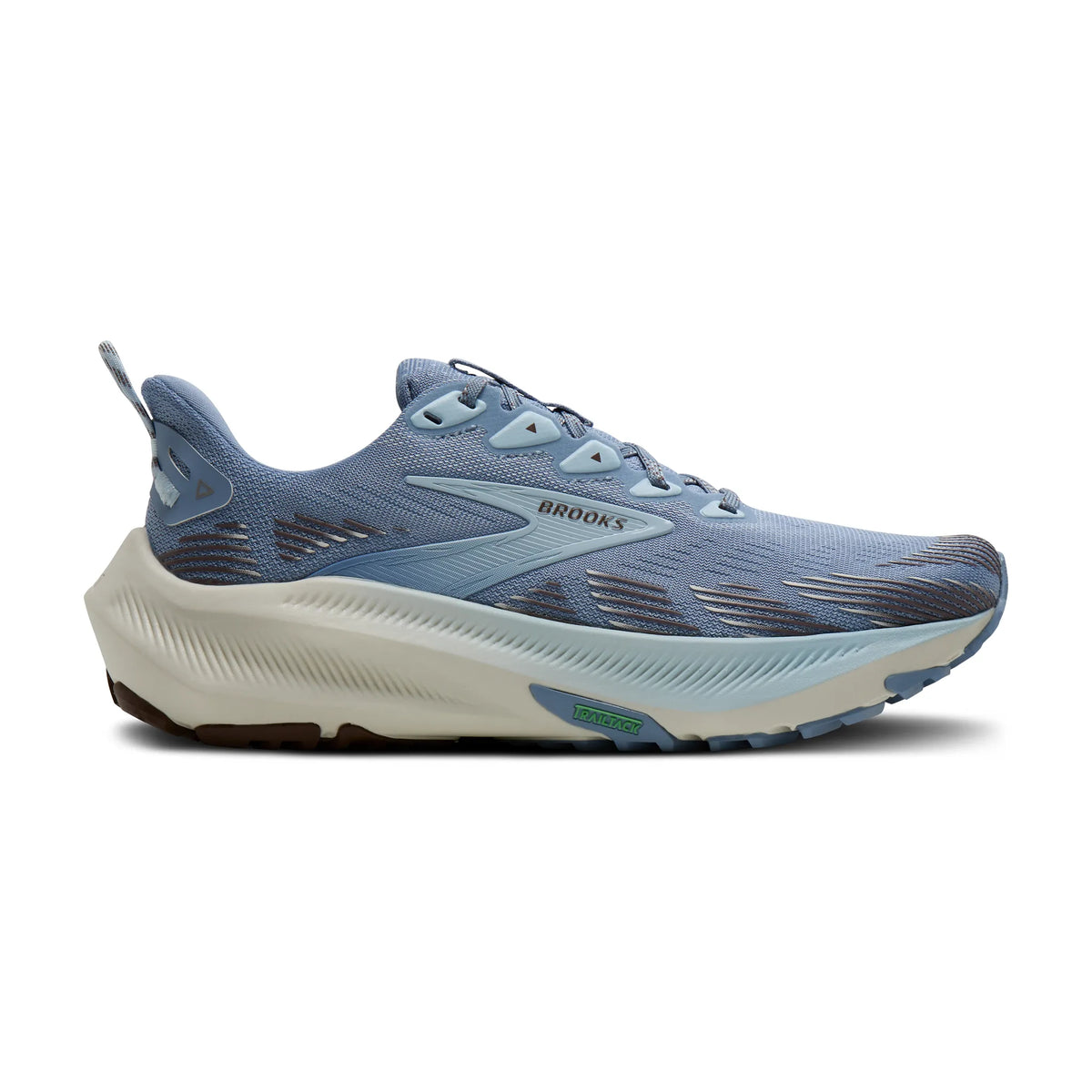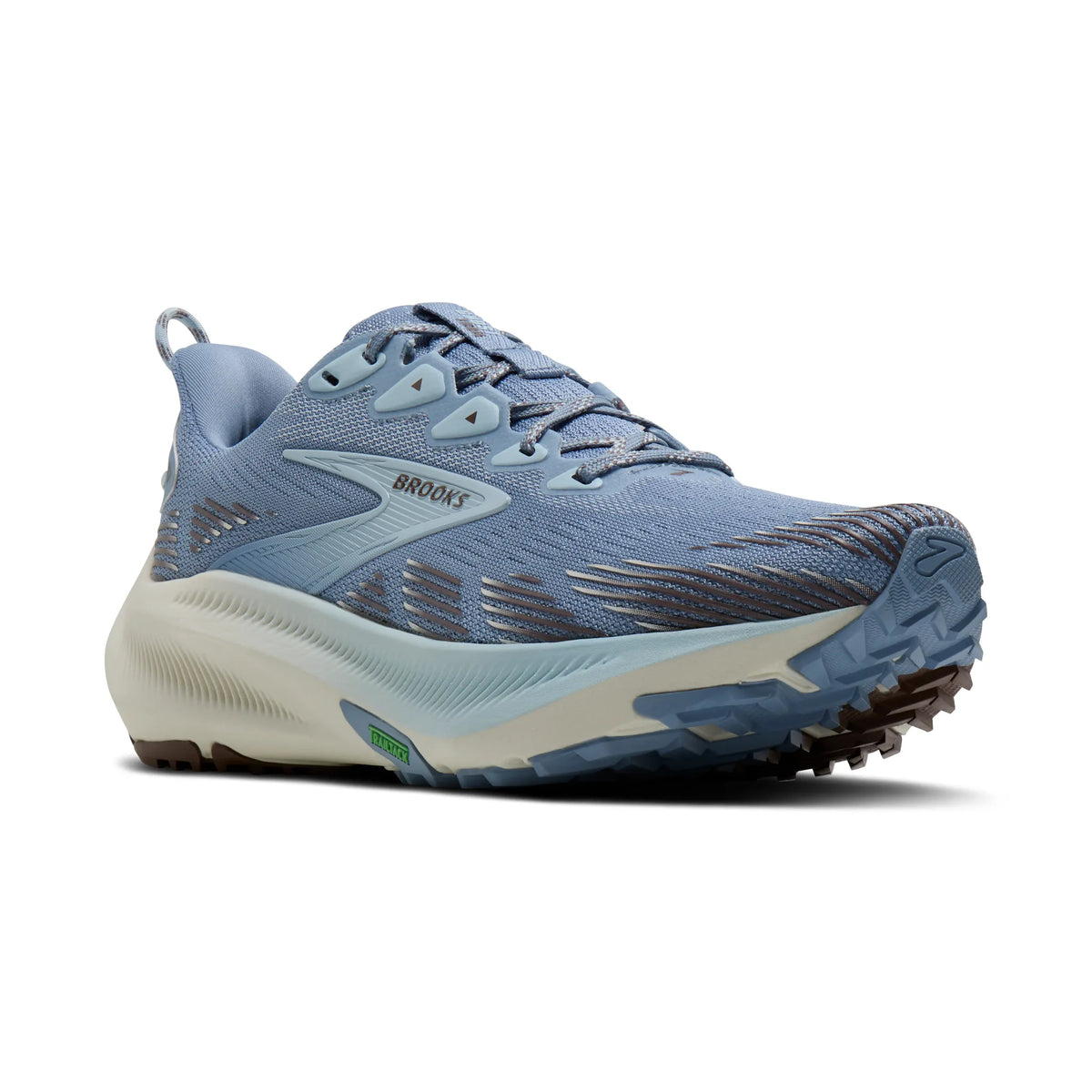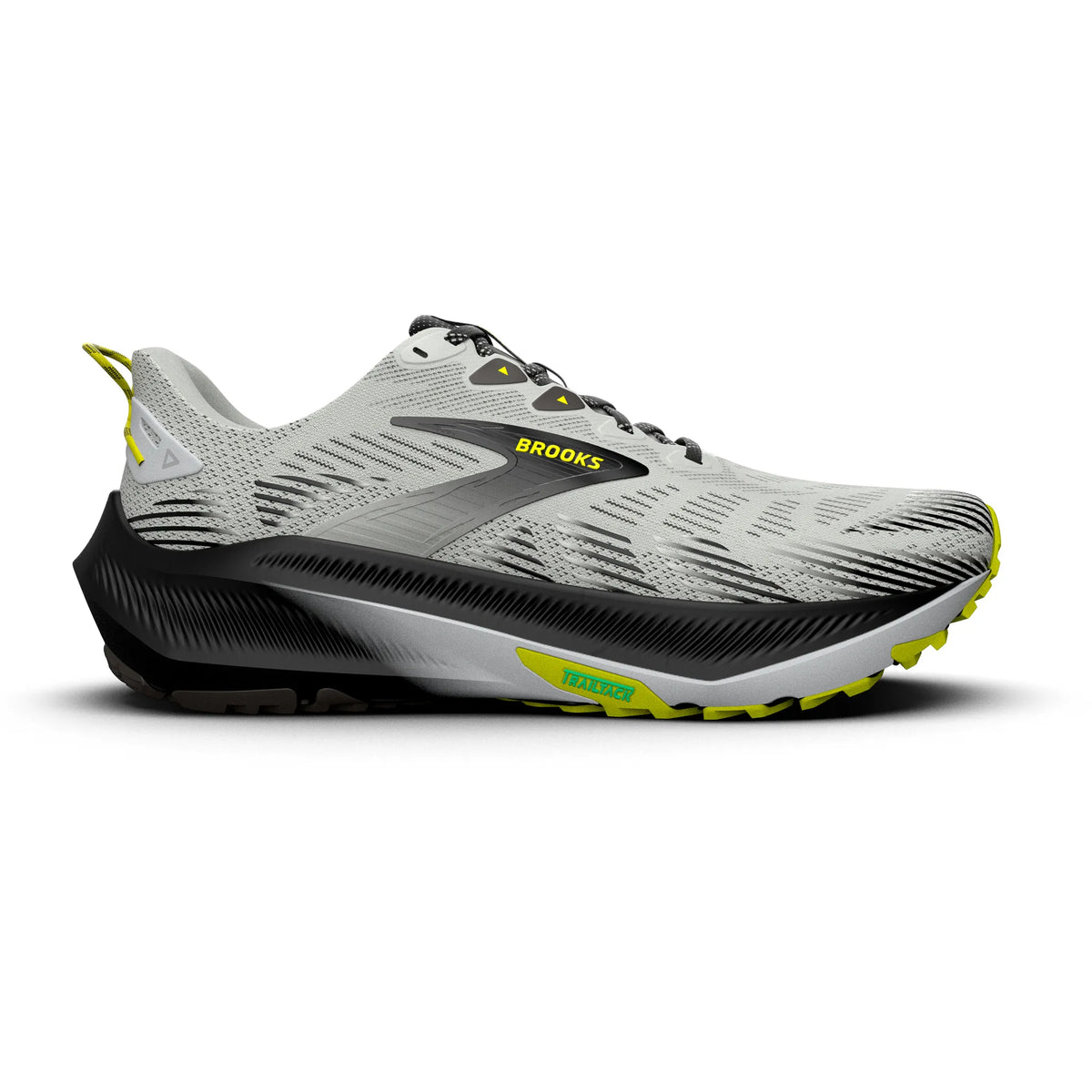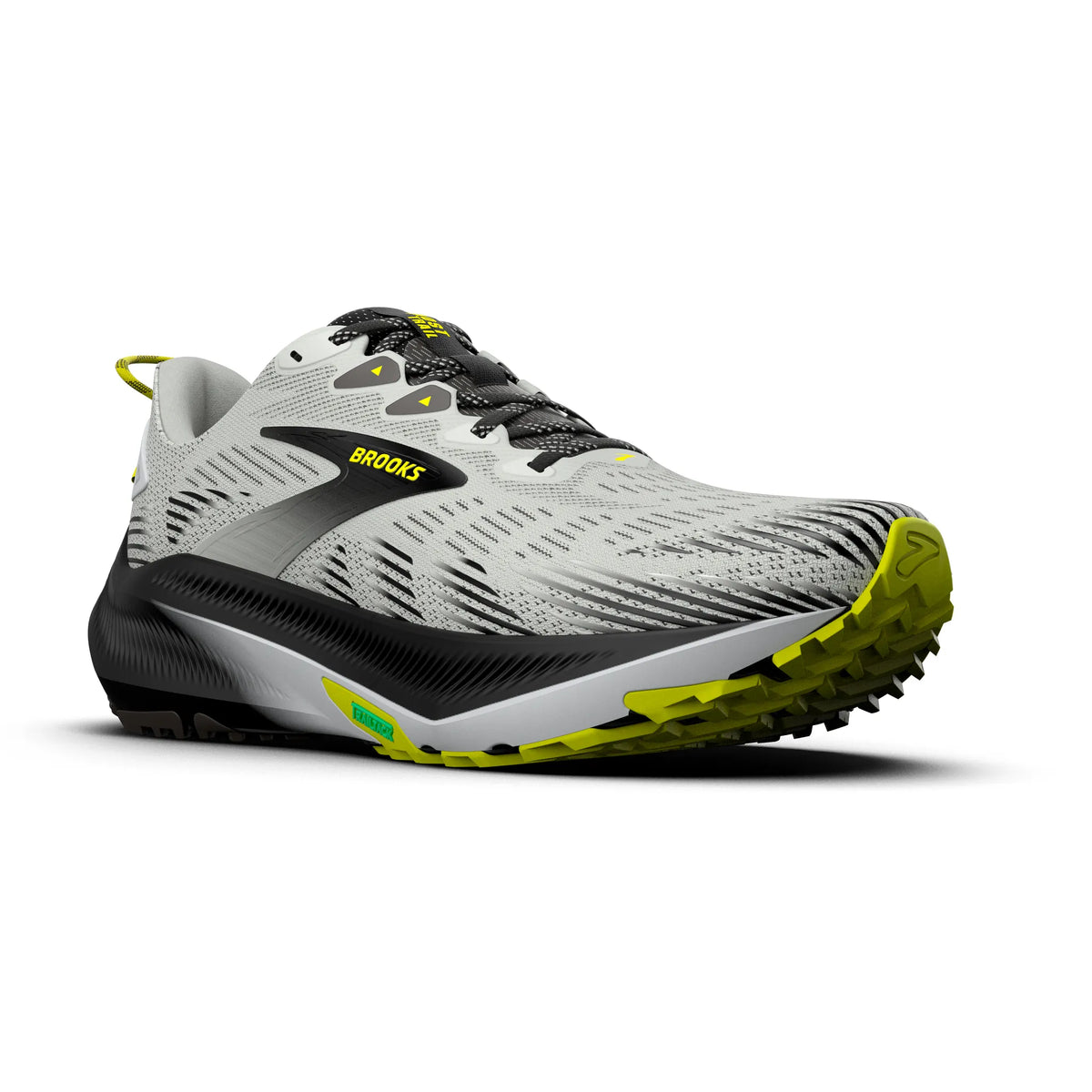

Trail Running Shoes: how to choose the right ones | Affari&Sport
In road running, rhythm, distance, and type of training vary.
In trail running, the terrain changes too.
And it is precisely the terrain that is the starting point when we need to choose a trail running shoe.
A shoe that is fantastic on packed dirt might find itself completely out of its element in the mud.
Let's see, therefore, what to look for.
1. Grip: the first element to consider
The sole represents the connection between the runner and the ground.
Its ability to provide traction depends on the compound, design, and depth of the lugs.
Packed dirt
On gravel roads and simple paths, a relatively low lug depth can work well.
The shoe remains smooth and pleasant even on faster stretches.
Technical terrain
Rocks, roots, and uneven passages require greater control.
The shoe's geometry, stability, and the quality of the compound become fundamental.
Mud
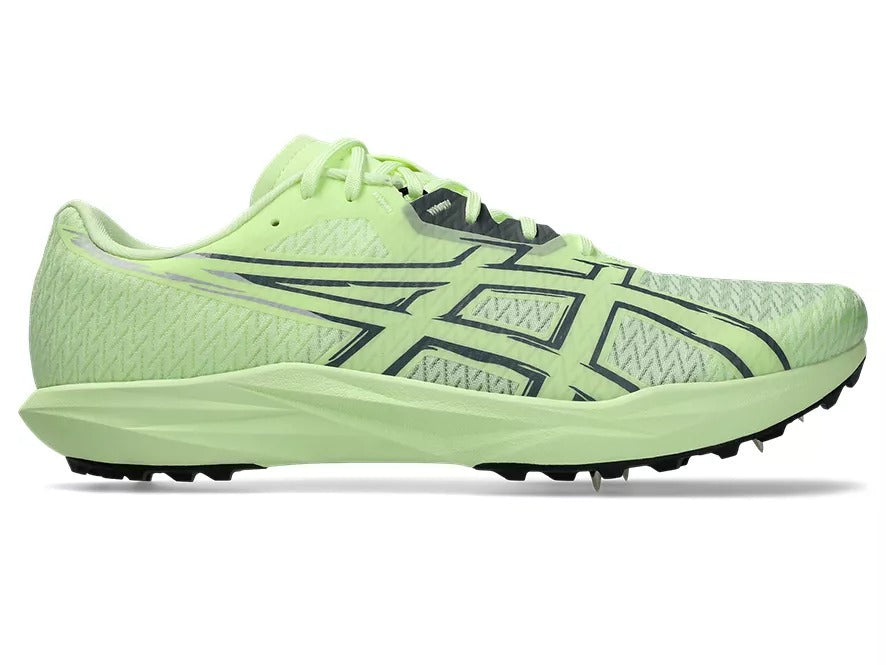
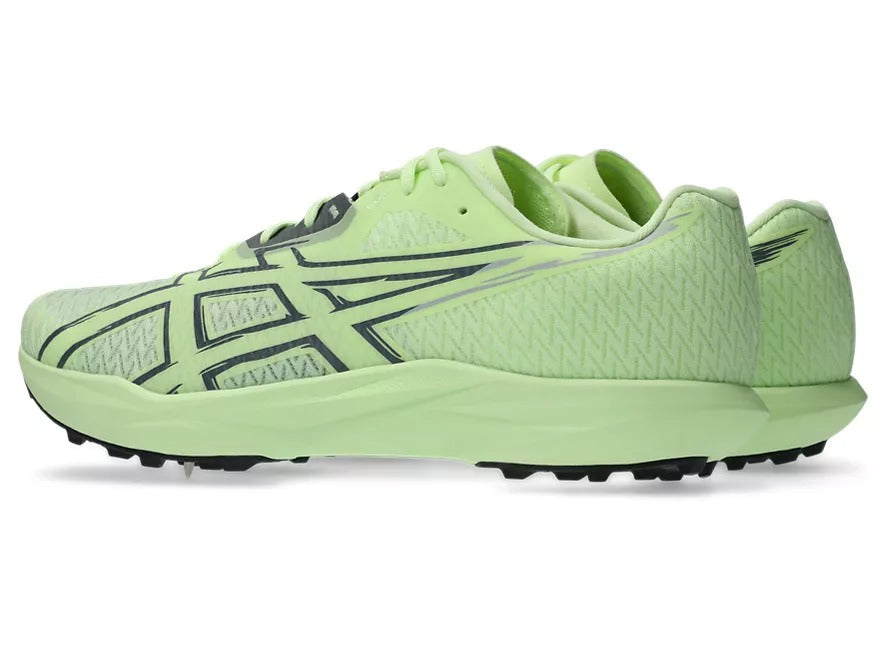
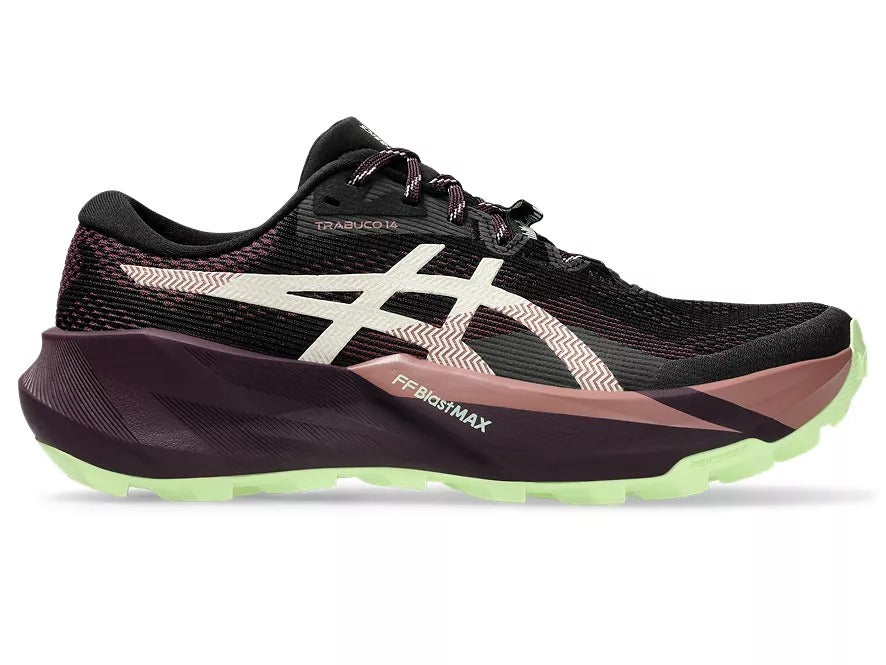
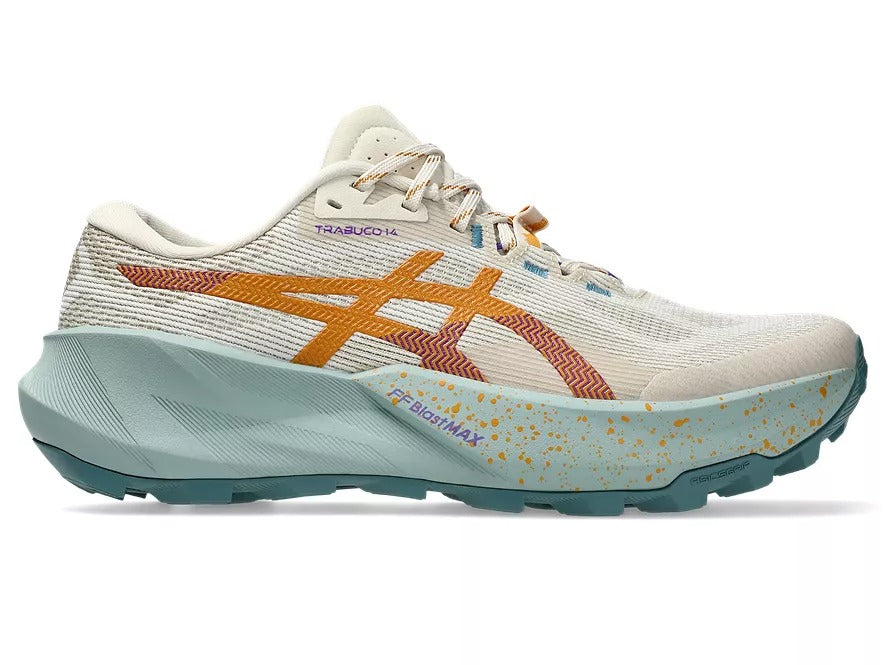
On very soft ground, you need more aggressive lugs that are spaced widely enough to shed mud.
Using a sole with few lugs in these conditions can drastically reduce traction.
2. Cushioning
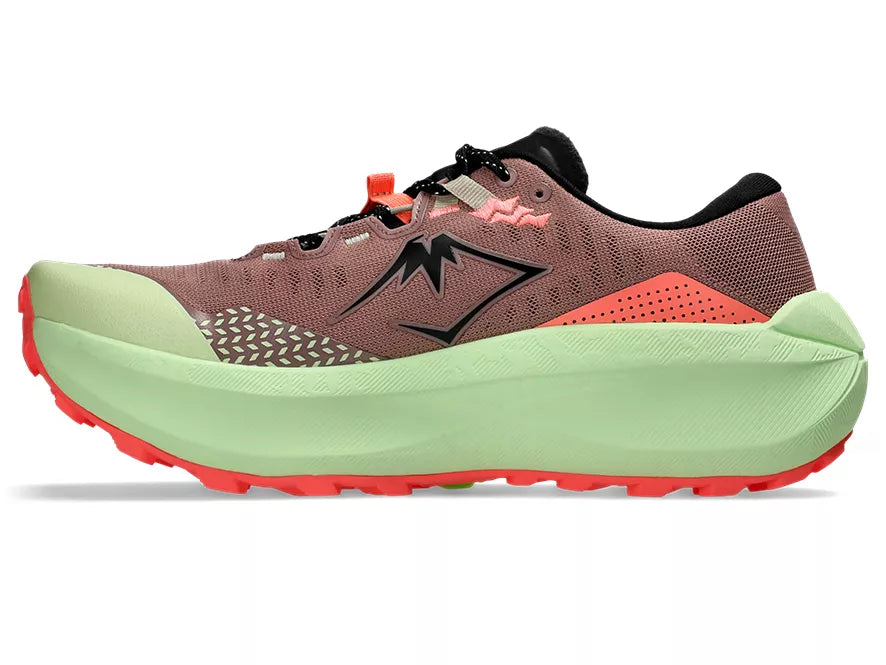
Even in trail running, shoes with significant stack heights have increased in recent years.
A greater amount of material under the foot can offer comfort over long distances, but one must not forget stability.
The further away we get from the ground, the more important it becomes that the geometry and platform are able to control the foot on uneven passages.
For this reason, an ultra-distance shoe and a shoe intended for short, technical trails can have very different philosophies.
3. Drop
As in road shoes, the drop represents the height difference between the heel and the forefoot.
There is no perfect value for everyone.
The runner's habits count for a lot.
If you have always run with relatively high drops, suddenly switching to a very low-drop shoe and immediately tackling a long trail is not a great idea.
The transition should be progressive.
4. Protection
On the trail, the foot can come into contact with rocks, roots, and other obstacles.
For this reason, many models use protective structures on the forefoot and materials that are more resistant than those in road shoes.
Some shoes also incorporate elements designed to reduce the pressure of rocks under the foot.
The level of protection needed depends once again on the terrain.
5. Stability
A very soft shoe can feel incredibly comfortable when we try it on.
But on a technical traverse, the situation changes.
In trail running, lateral stability can be just as important as cushioning.
A sufficiently wide platform and good foot lockdown help maintain control on uneven terrain.
Trail shoes for long distances
When the kilometers increase, priorities change.
For ultra trails and very long outings, the following become particularly important:
comfort, protection, room for the foot, cushioning, and stability.
An extremely precise and aggressive shoe may be fantastic for a short race, but it can become demanding after many hours.
Trail shoes for technical terrain
Here the keyword is control.
The shoe must offer:
-
good grip;
-
stability;
-
precision;
-
protection;
-
excellent foot lockdown.
Weight remains important, but it often takes a back seat to secure footing.
Door-to-trail shoes
And what if you have to run a few kilometers on asphalt to reach the trail?
There are door-to-trail models designed specifically for tackling mixed surfaces.
They are interesting for those who start directly from home and alternate between asphalt, bike paths, gravel roads, and paths that are not particularly technical.
They also represent an excellent entry point into the world of trail running.
Gore-Tex, yes or no?
It depends.
A waterproof membrane can be very useful in cold, snow, wet grass, and certain winter conditions.
In summer, however, it may be less breathable.
Furthermore, one must remember that if water enters from the top of the shoe, a waterproof membrane can slow down the exit of the water.
Therefore, there is no universal answer.
The perfect trail shoe does not exist
And this is probably the most important concept of this guide.
Asking:
"What is the best trail running shoe?"
without specifying the terrain is a bit like asking which is the best tire without saying where we need to drive.
First, identify your environment:
fast dirt → versatility and smoothness
mud → aggressive lugs
technical terrain → grip, precision, and protection
ultra → comfort and stability
mixed routes → door-to-trail
At that point, choosing becomes much simpler.
Find the right shoe for your next trail
Every trail requires something different.
That's why on Affari&Sport you can compare trail shoes designed for different terrains, distances, and uses.
Discover the Trail Running collection and find the model most suitable for the terrain you want to tackle.