
Zone 2 running: what it is and how to calculate it | Affari&Sport
To run faster, do you always have to run fast?
No.
One of the most discussed concepts in endurance training is exactly the opposite: learning to run slowly.
And this is where the famous Zone 2 comes into play.
What is Zone 2?
Zone 2 generally refers to a relatively low aerobic intensity that is sustainable for long periods and in which the body can produce energy mainly through aerobic metabolism.
It is that classic run during which you feel like you are working, but without being out of breath.
The famous conversational pace.
If you can talk in complete sentences without having to constantly catch your breath, the intensity is probably relatively low.
Why train slowly?
Because not every workout needs to simulate a race.
Low-intensity workouts allow you to accumulate volume while limiting stress compared to more demanding sessions.
For a runner, this means building a foundation upon which to subsequently add more specific work.
Intervals, threshold training, and race pace remain fundamental tools.
But without a good aerobic base, it becomes difficult to sustain them.
How to calculate Zone 2
You have to be careful here.
Online, you can find extremely simple formulas that automatically assign certain percentages of maximum heart rate to the various zones.
They can be useful as an initial reference, but they do not represent a precise, individual measurement.
Actual maximum heart rate can vary greatly between two people of the same age.
For an accurate analysis, specific physiological tests are more reliable.
For the amateur, however, heart rate, perceived exertion, and the talk test can be combined to obtain a practical reference.
The most common problem: running too fast
It happens all the time.
The runner is supposed to do an easy run, looks at the pace on their watch, and thinks:
"I'm going too slow."
They speed up.
The easy run becomes a moderate run.
Not intense enough to be a true quality workout, but demanding enough to increase fatigue.
The result can be a kind of gray zone where many runs end up feeling the same.
Pace does not determine Zone 2
This concept is fundamental.
Zone 2 does not necessarily correspond to a specific pace per kilometer.
The same athlete might run at 5:20/km on a cool day and have to slow down significantly in the heat, when tired, or on a hilly route to maintain a similar intensity.
The pace depends on numerous variables:
-
temperature;
-
elevation gain;
-
fatigue;
-
sleep;
-
training level;
-
wind;
-
terrain.
For this reason, always chasing the same pace can be counterproductive.
How long should a Zone 2 workout last?
It depends on the athlete's level and goals.
For beginners, even 30-40 minutes can be an excellent workout.
More trained runners can use easy intensities to build significantly longer sessions.
The important principle is progressiveness.
Suddenly increasing volume just because the intensity is low still represents an increase in training load.
Zone 2 and the marathon
In marathon preparation, aerobic work takes on clear importance.
You need to prepare the body to run for a long time, not just to run fast.
Easy runs allow you to build volume between specific workouts and therefore become an important component of your week.
Which shoes should you use?
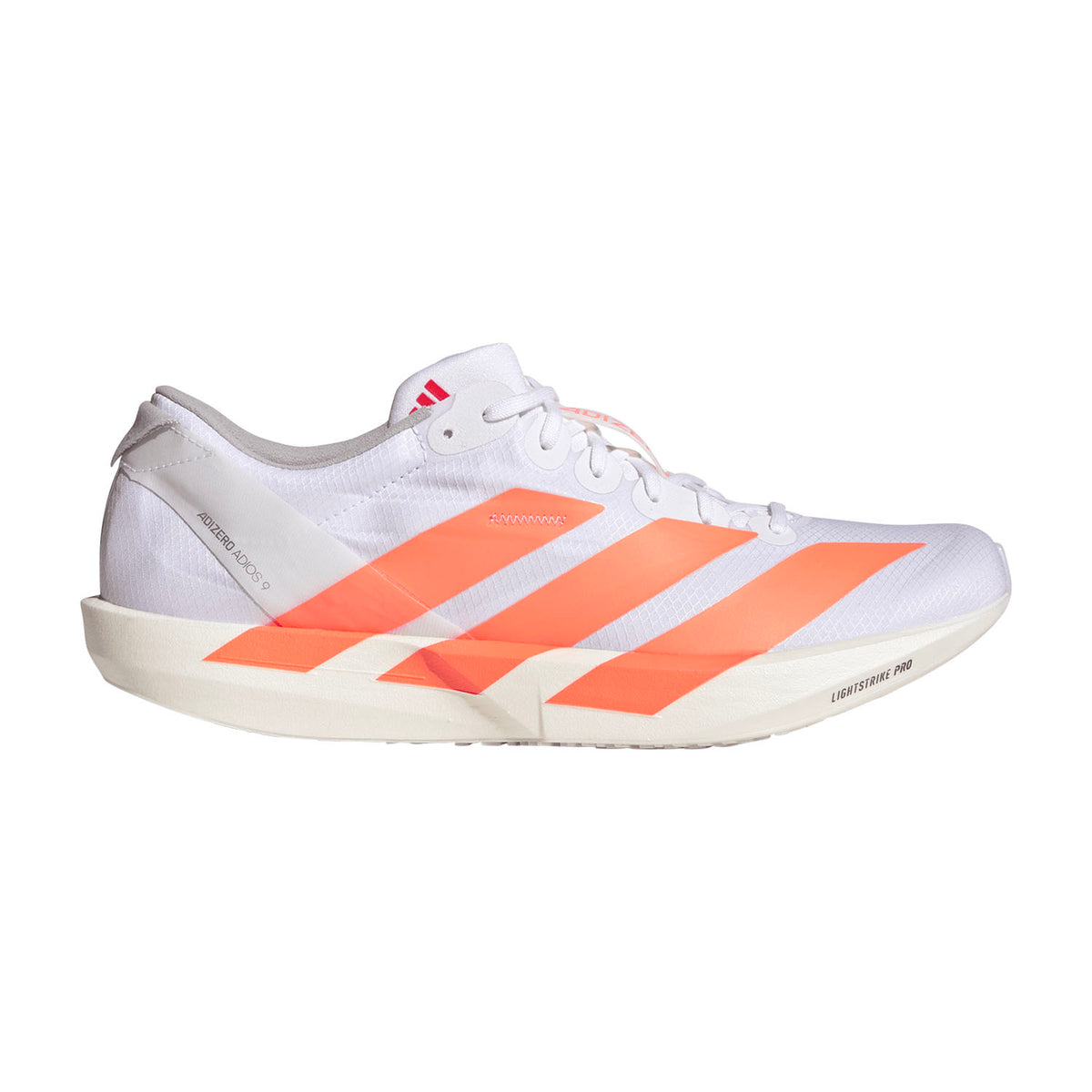
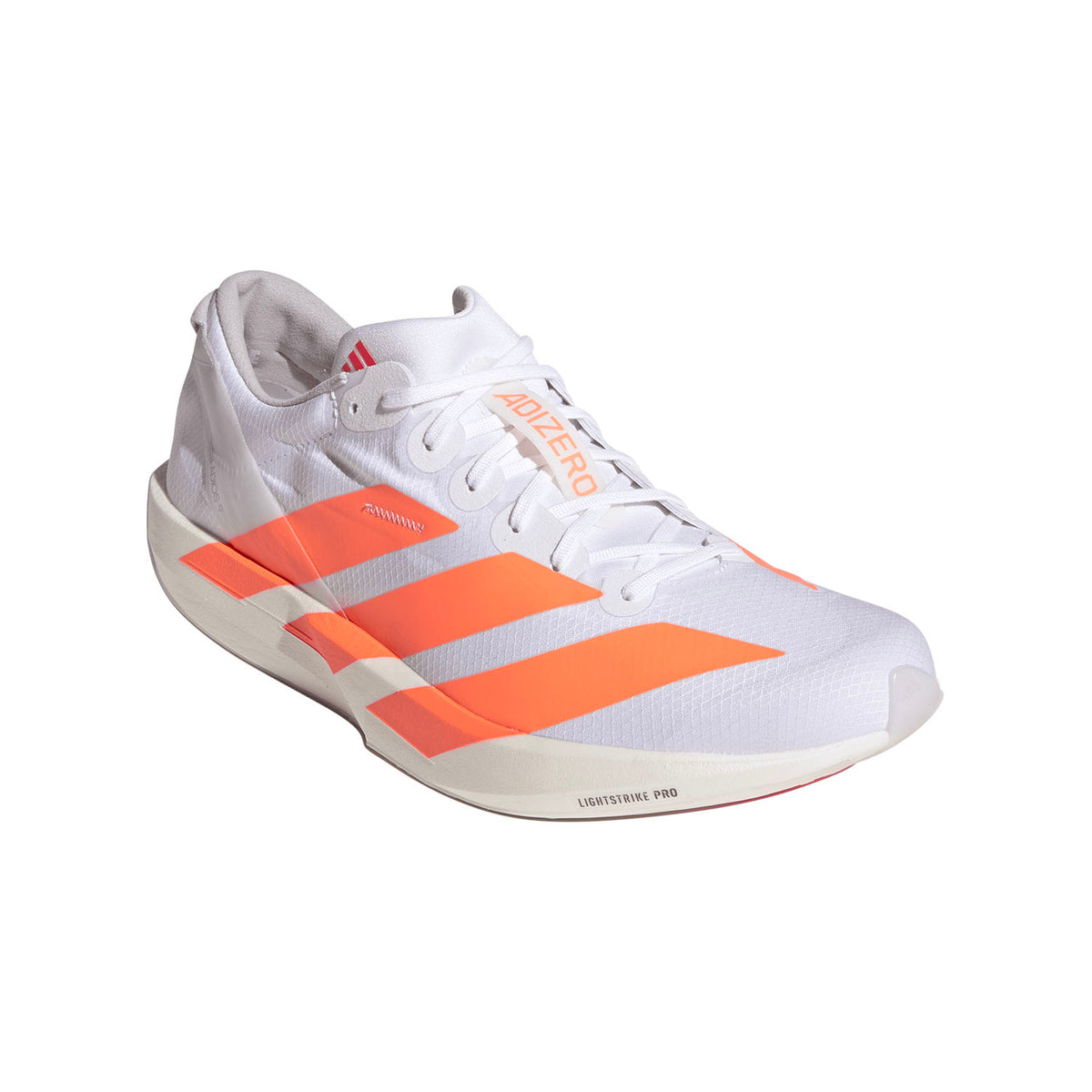
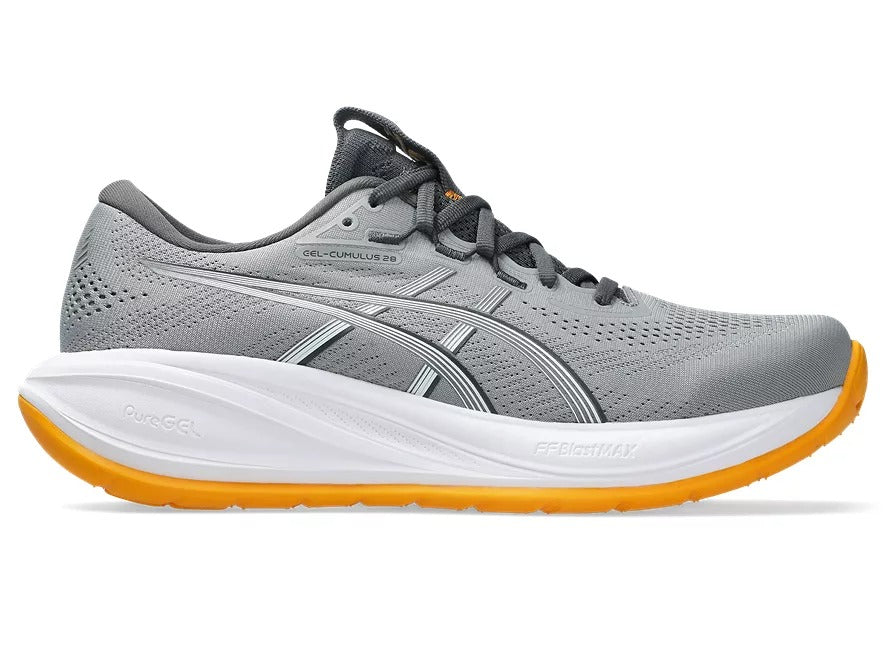
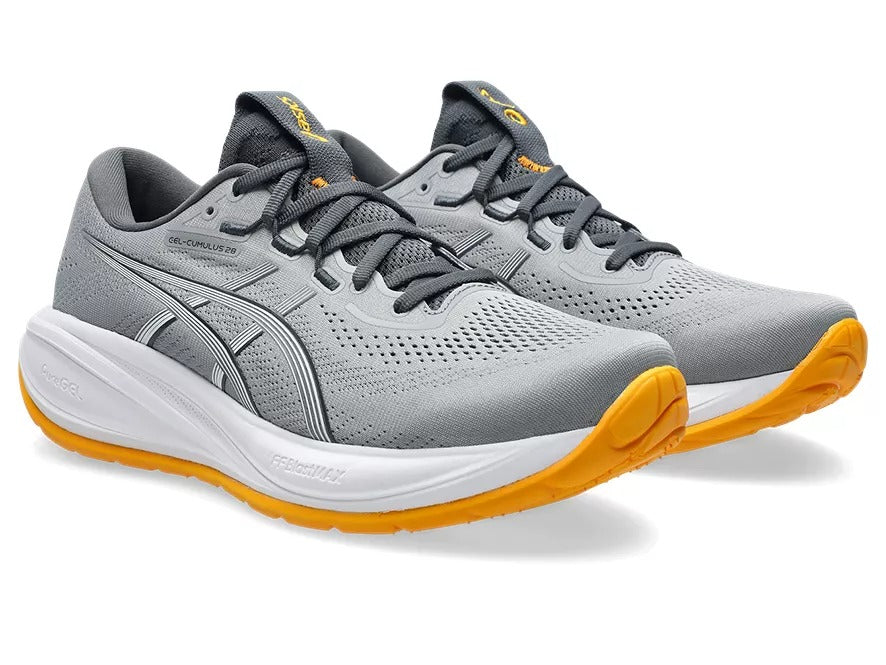
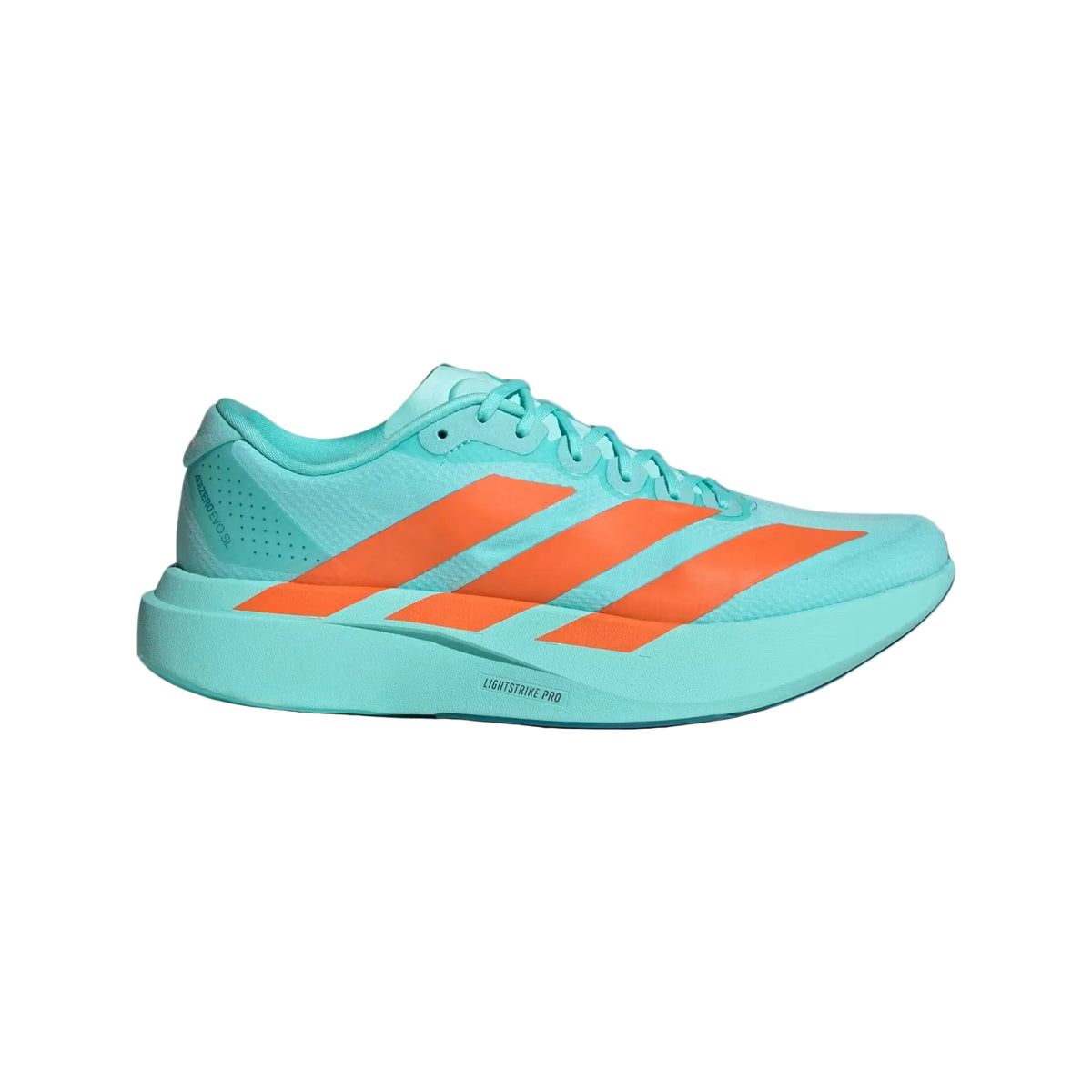
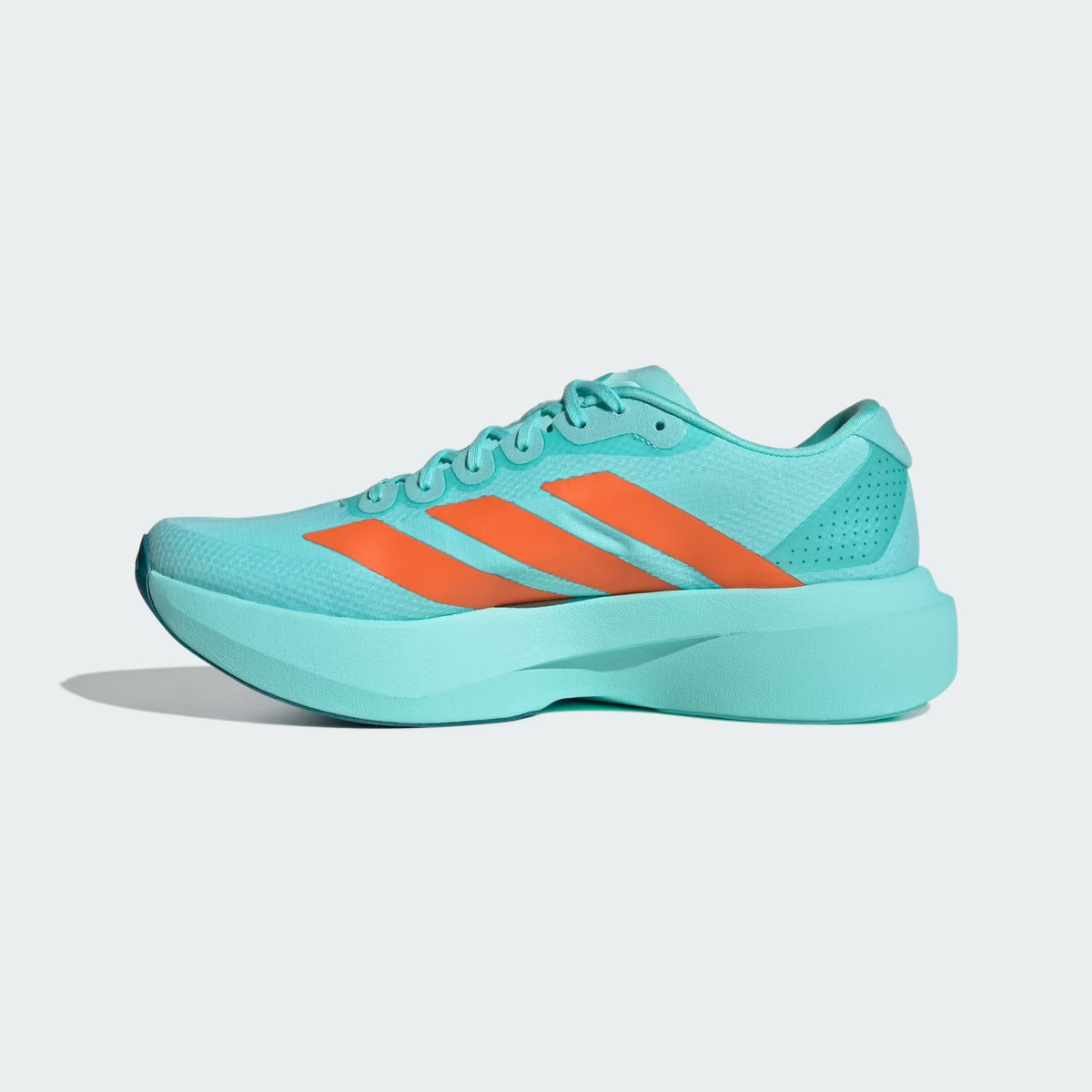
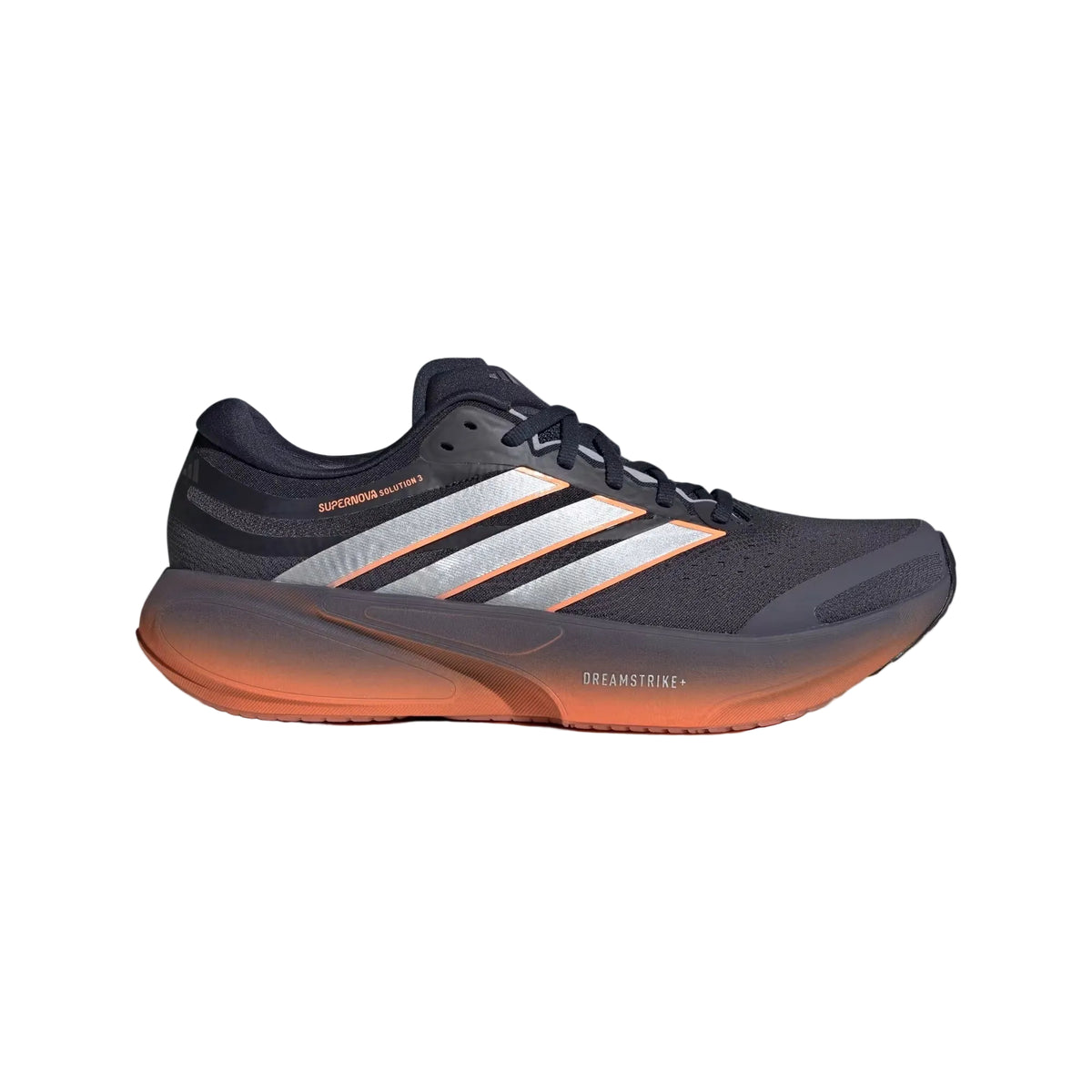
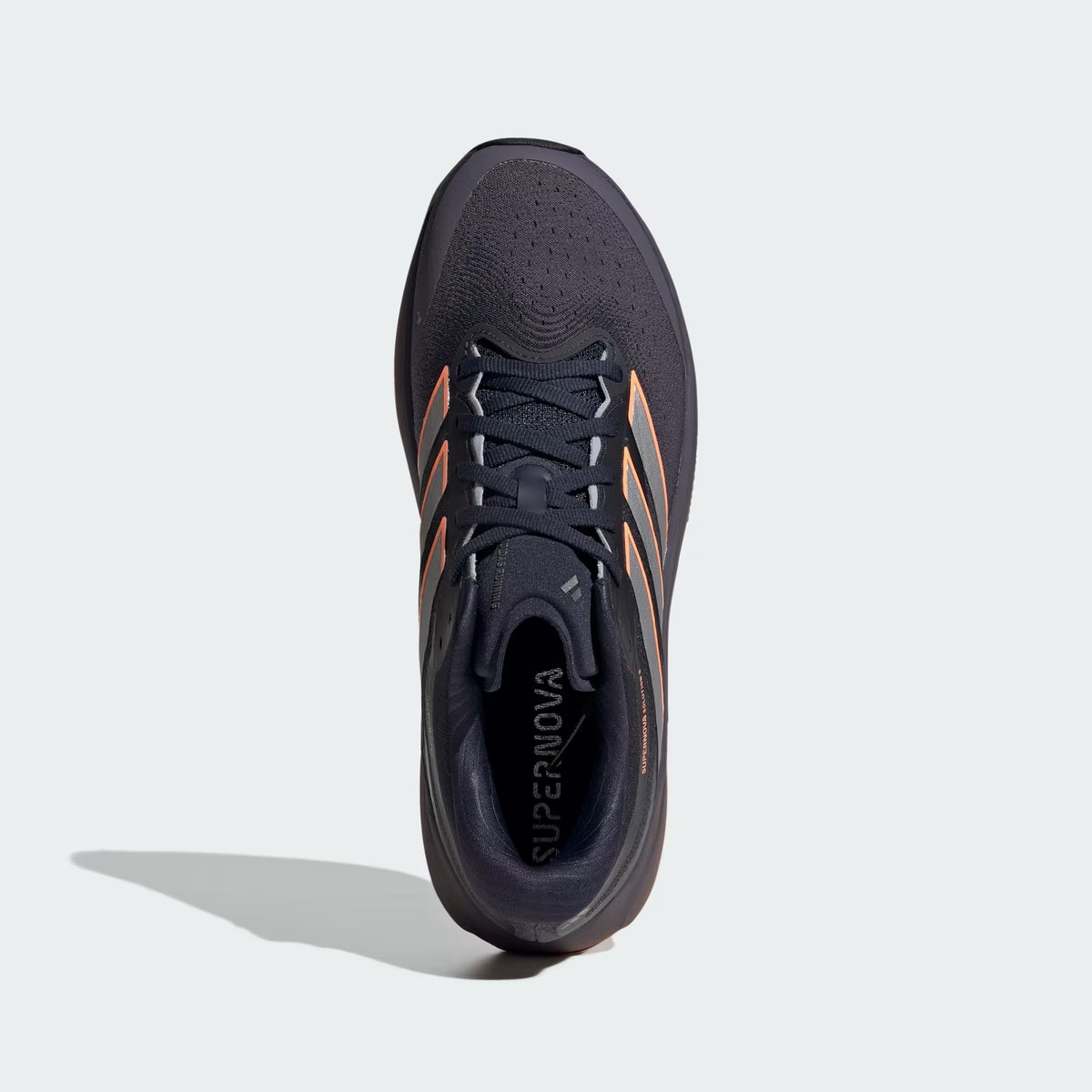
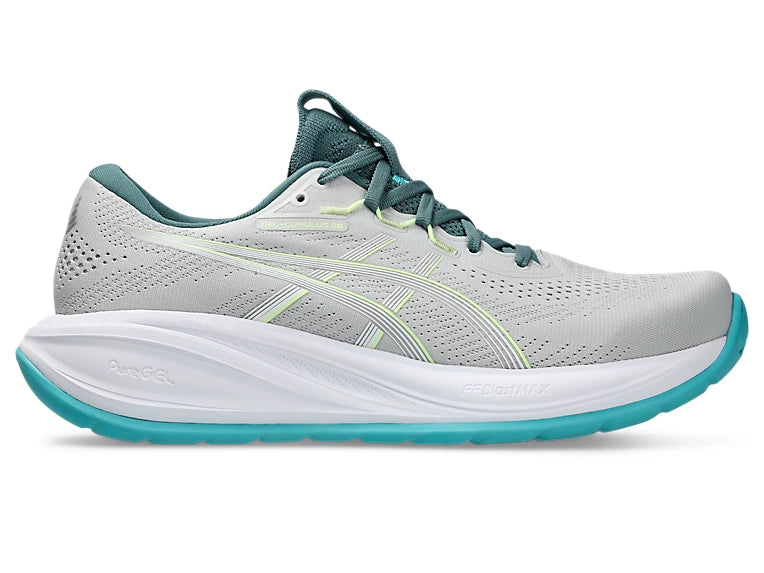
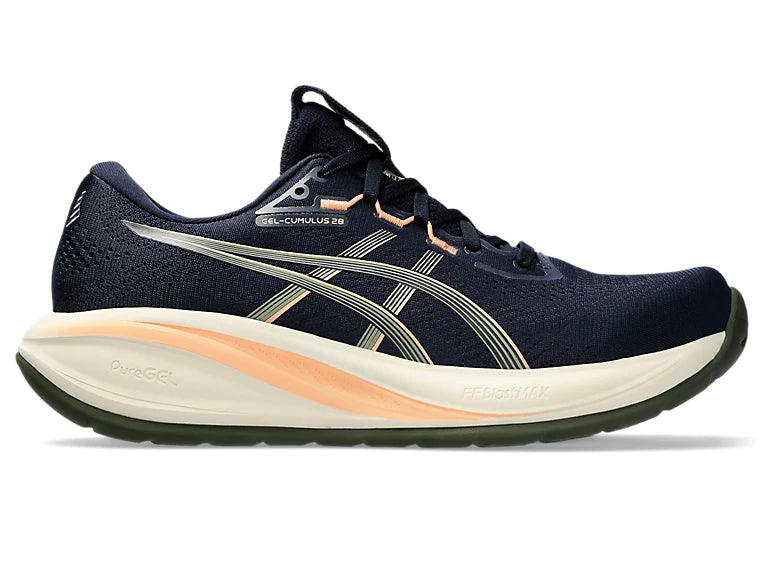
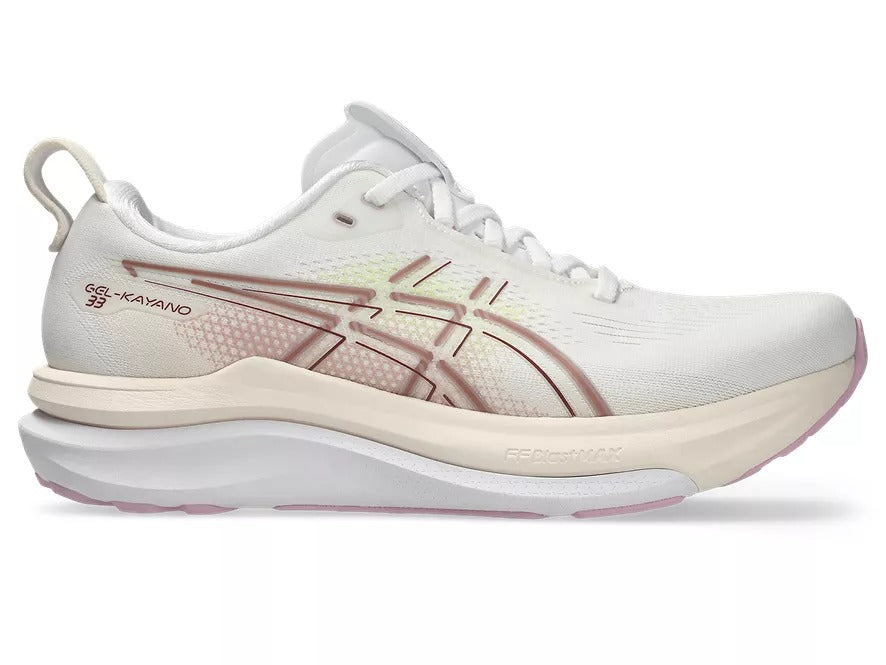
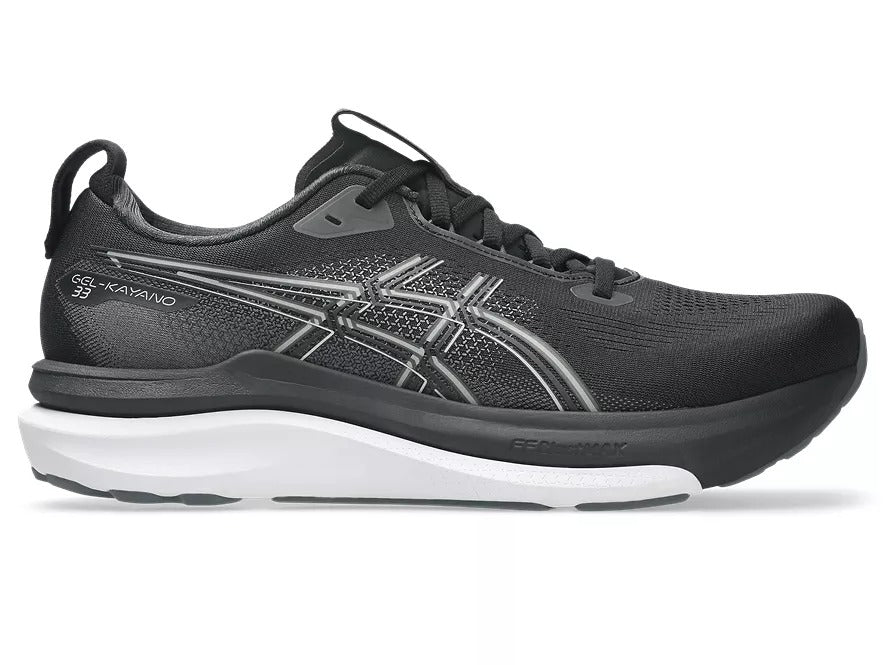
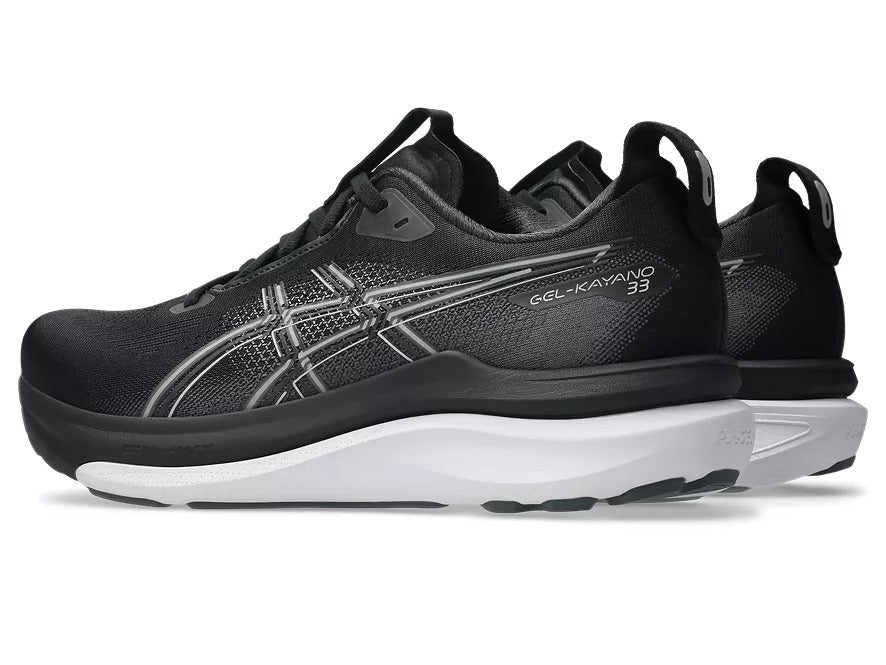
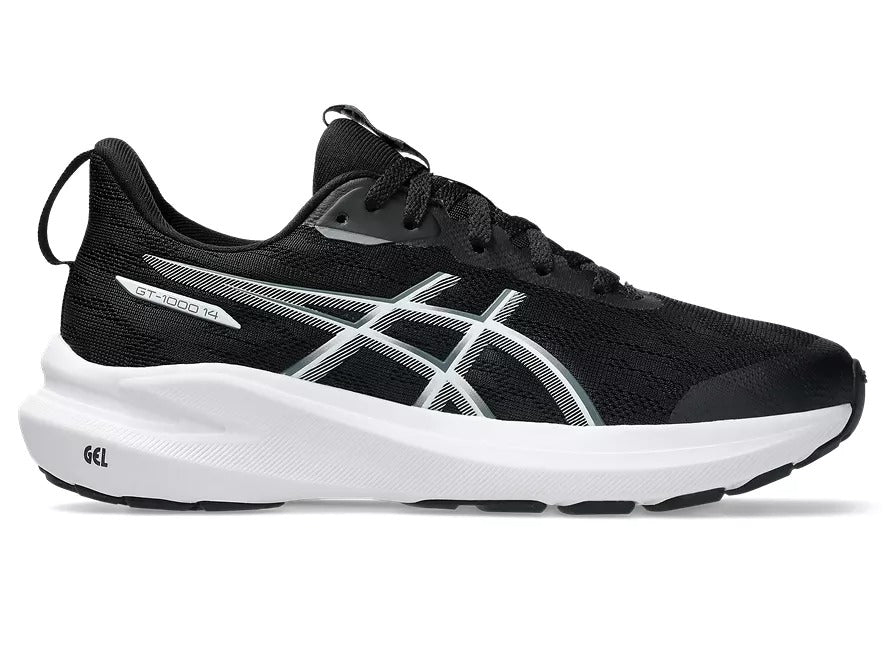
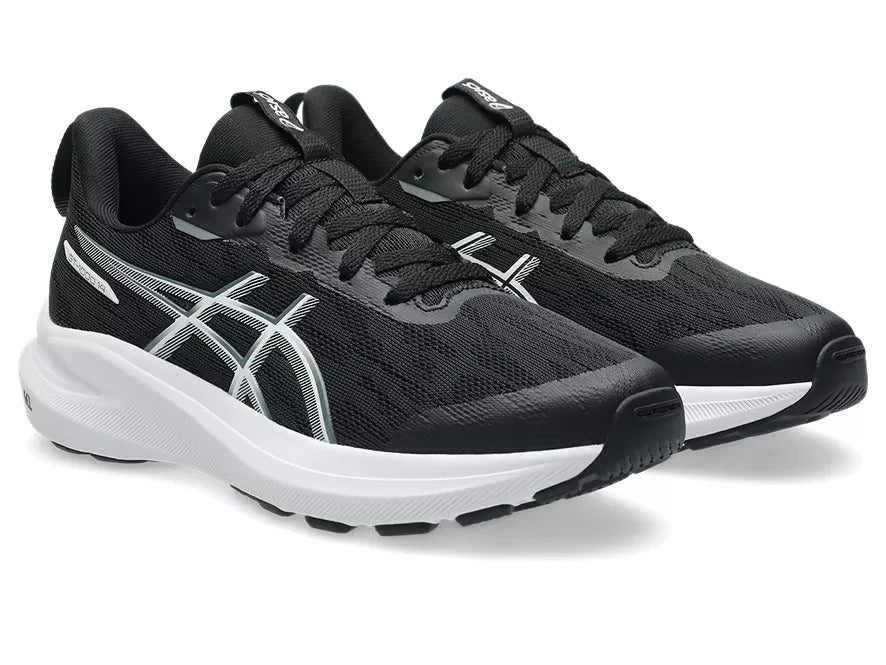
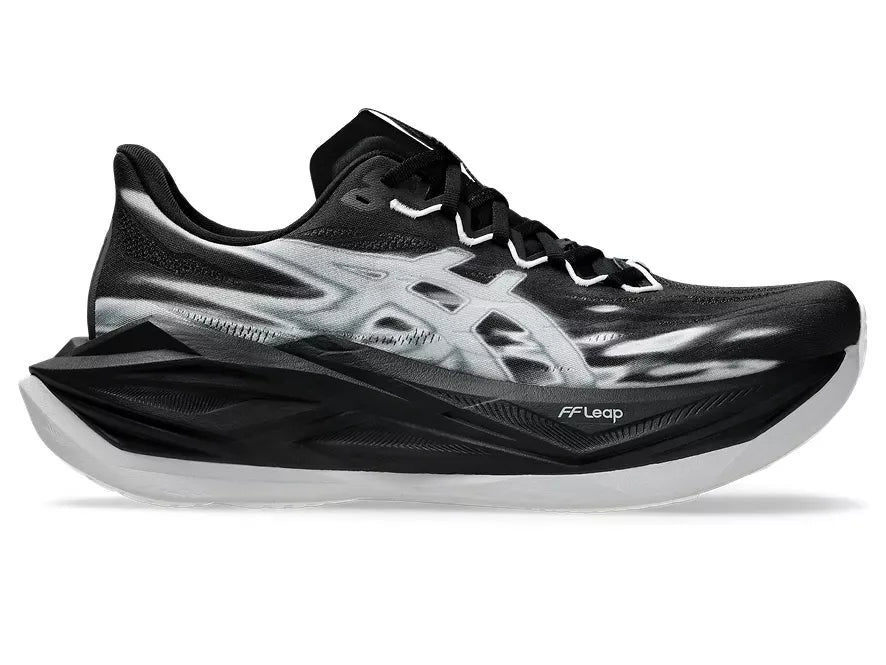
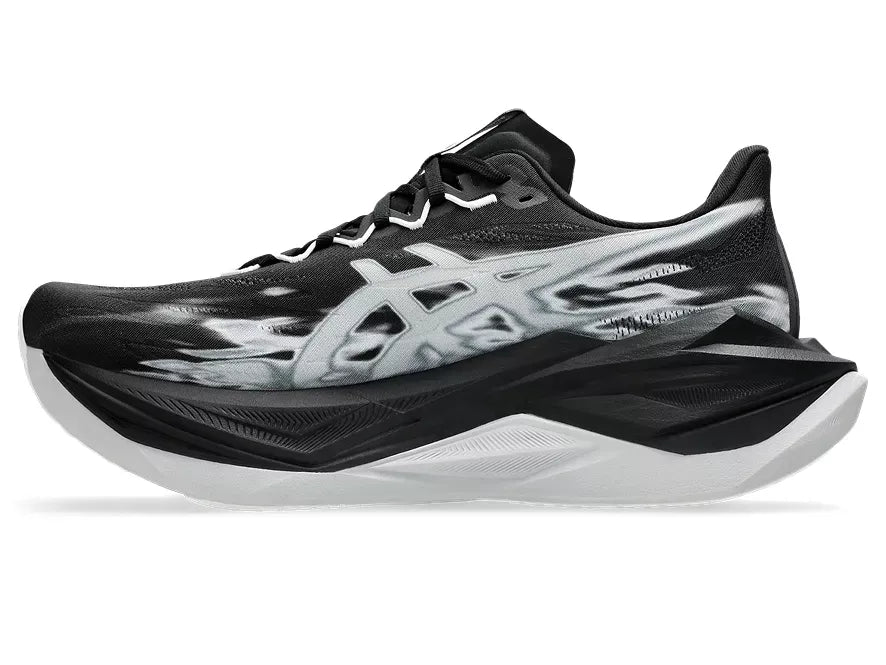
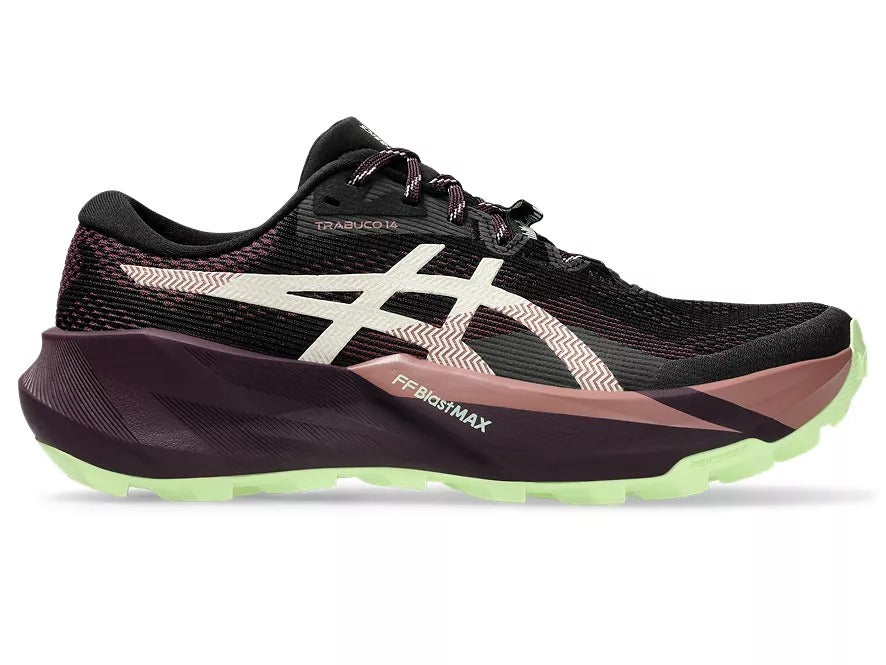
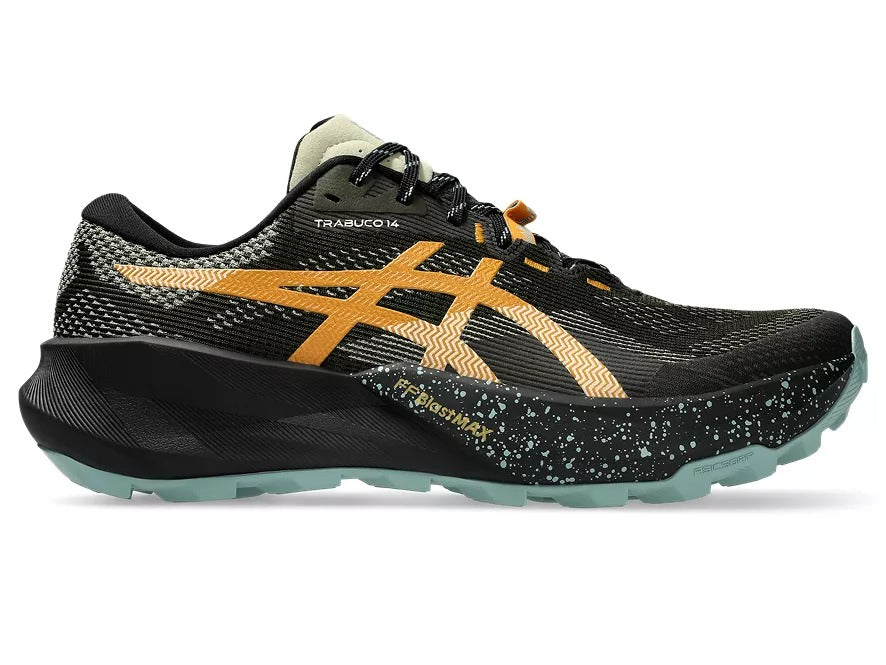
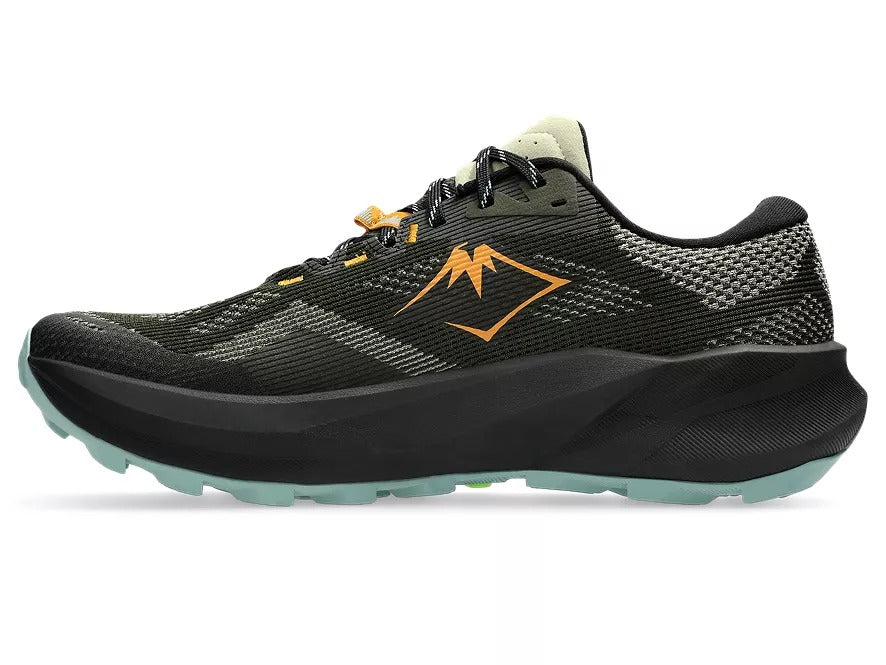
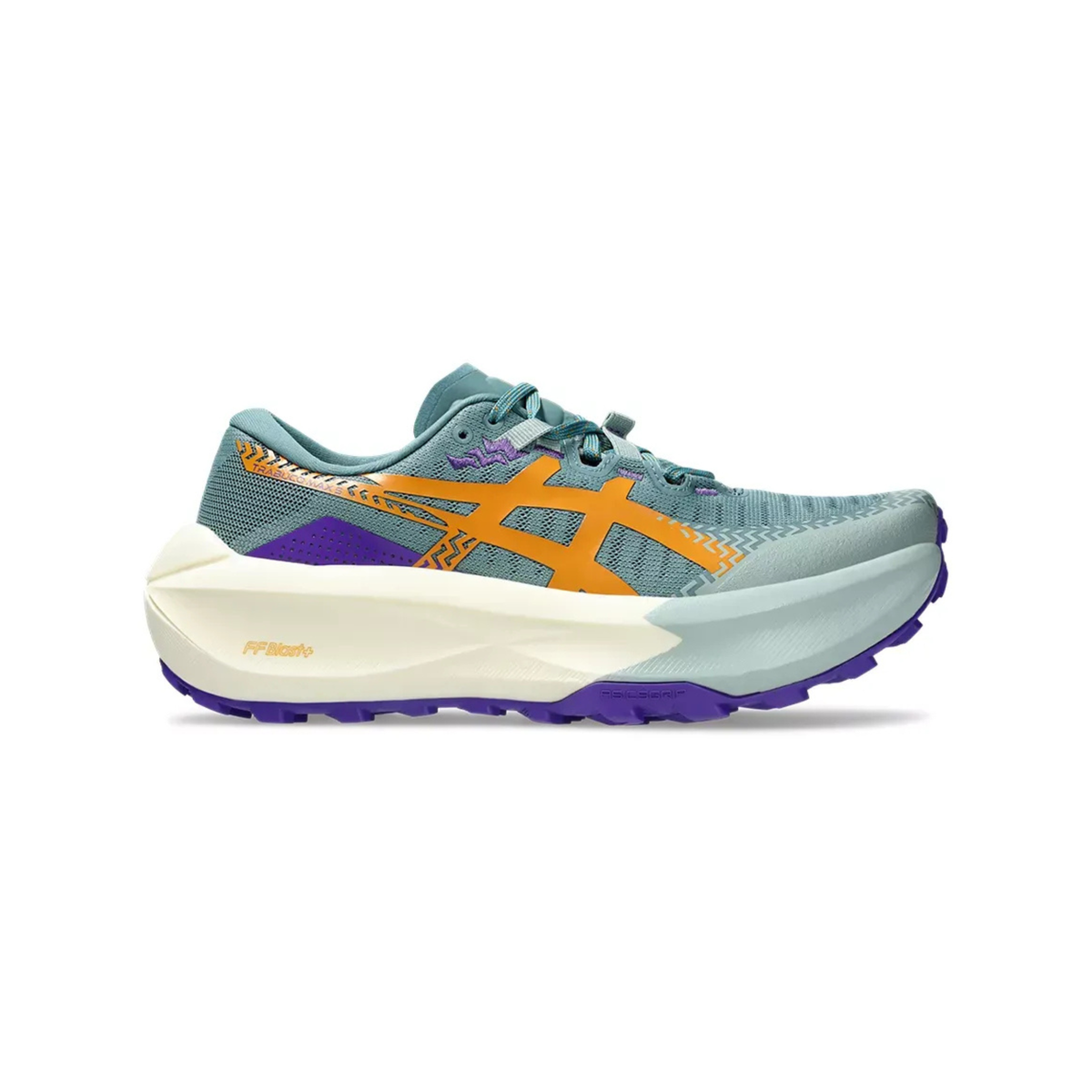
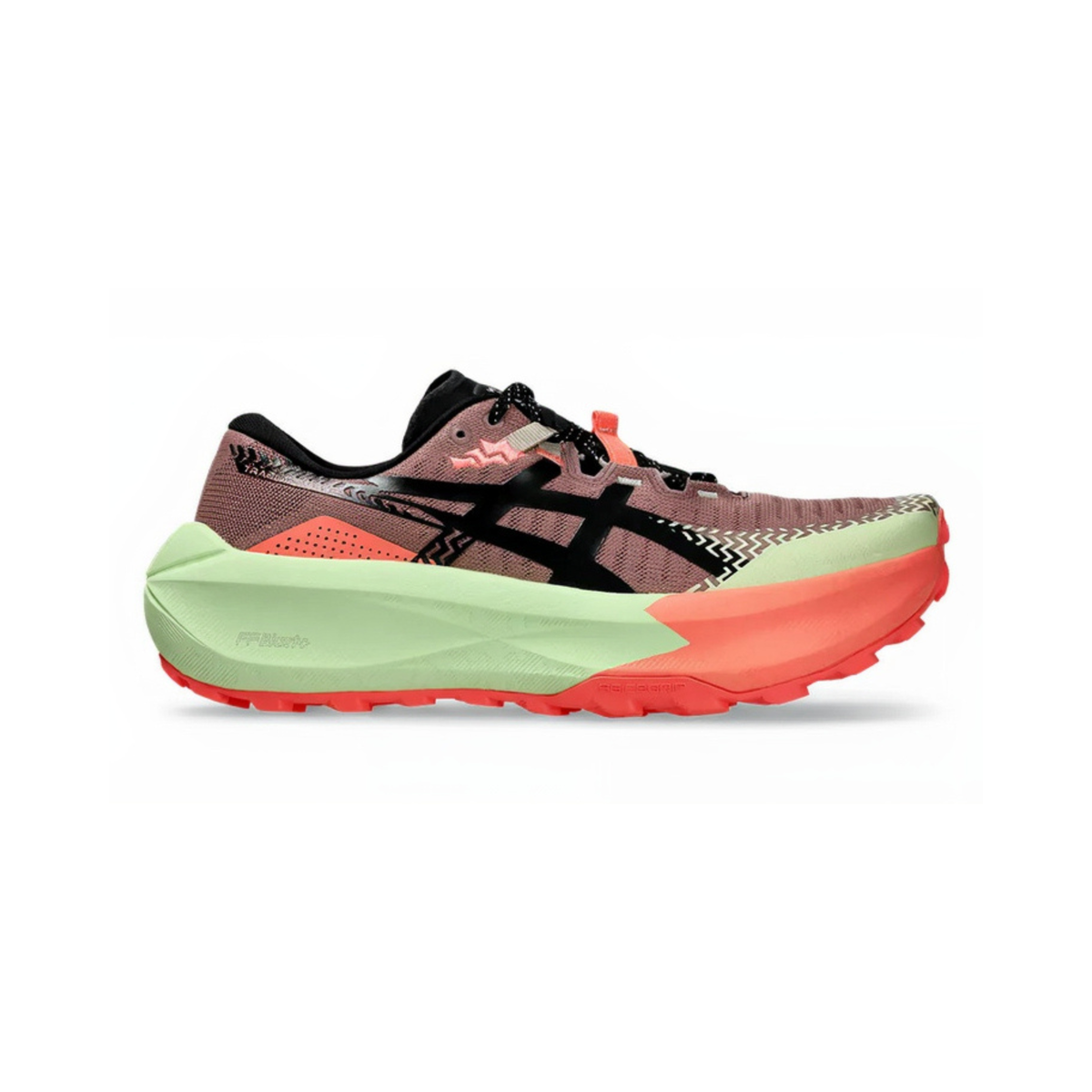
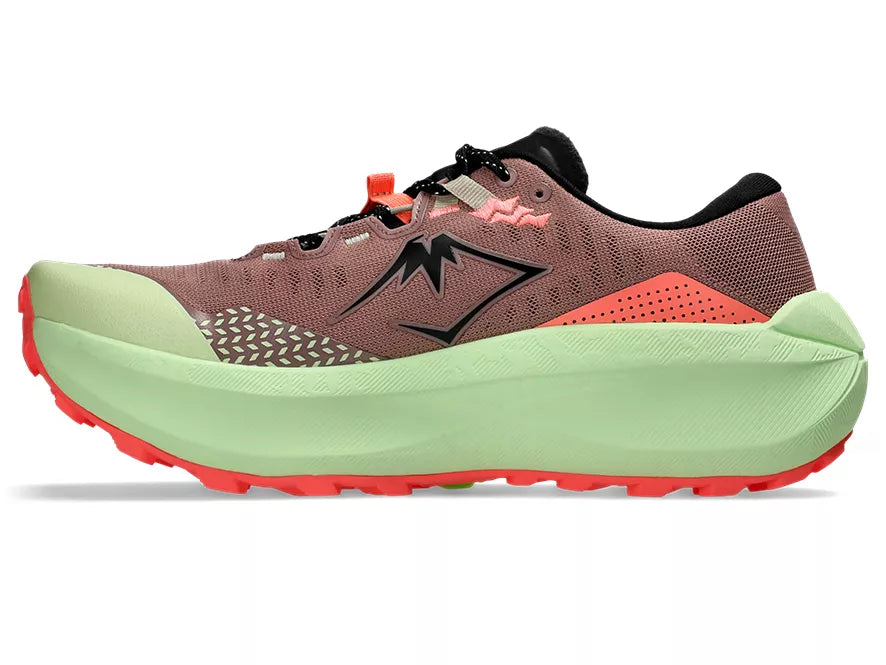
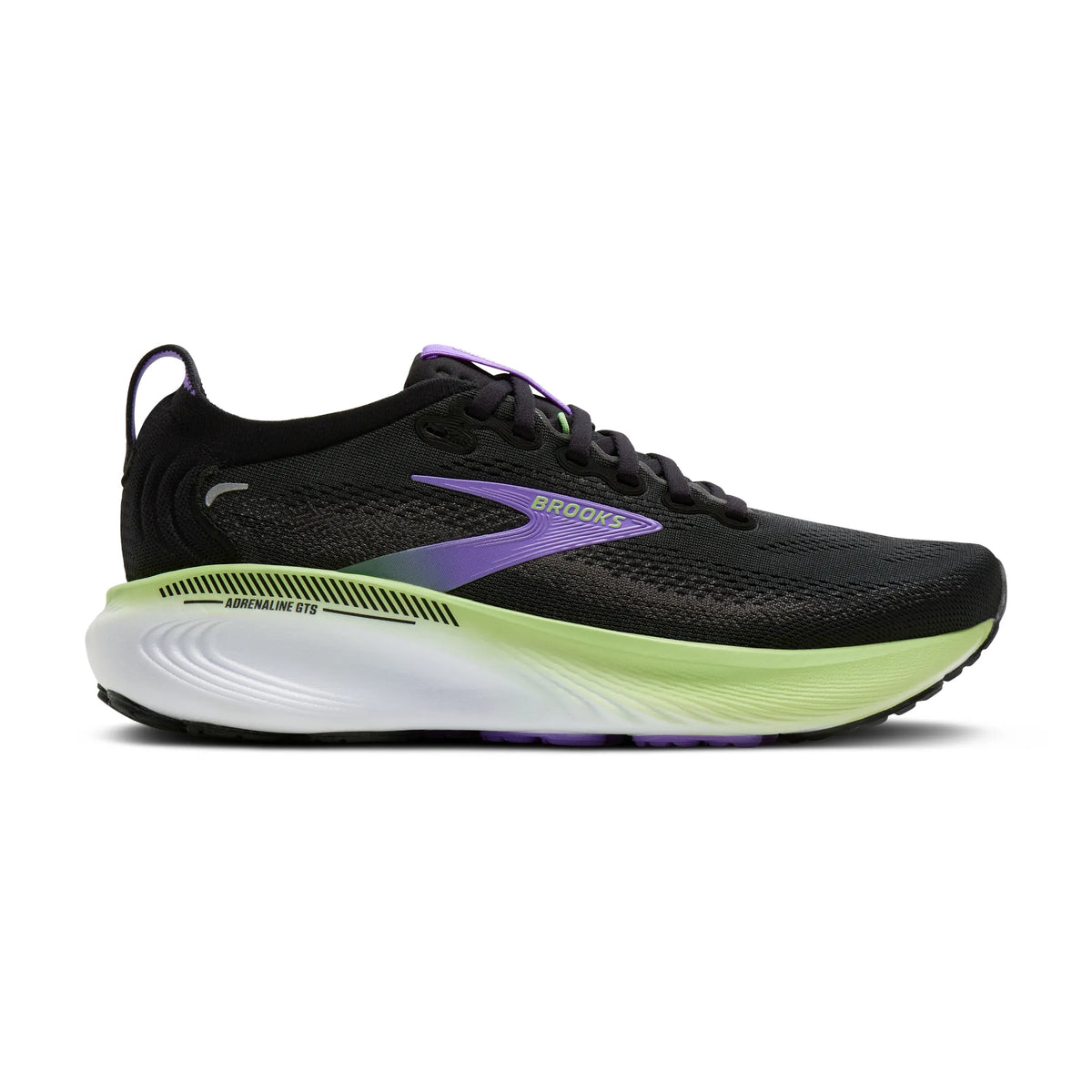
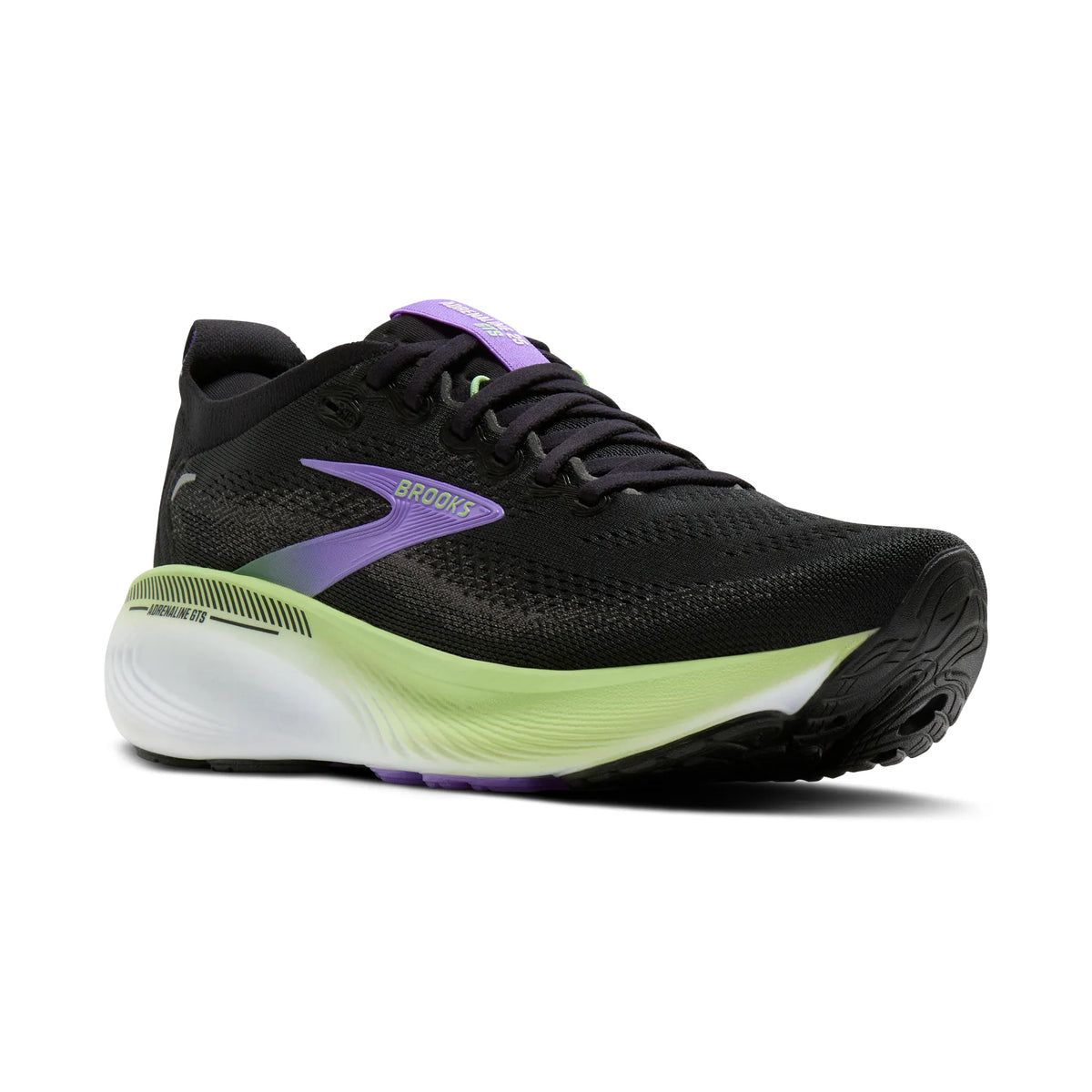
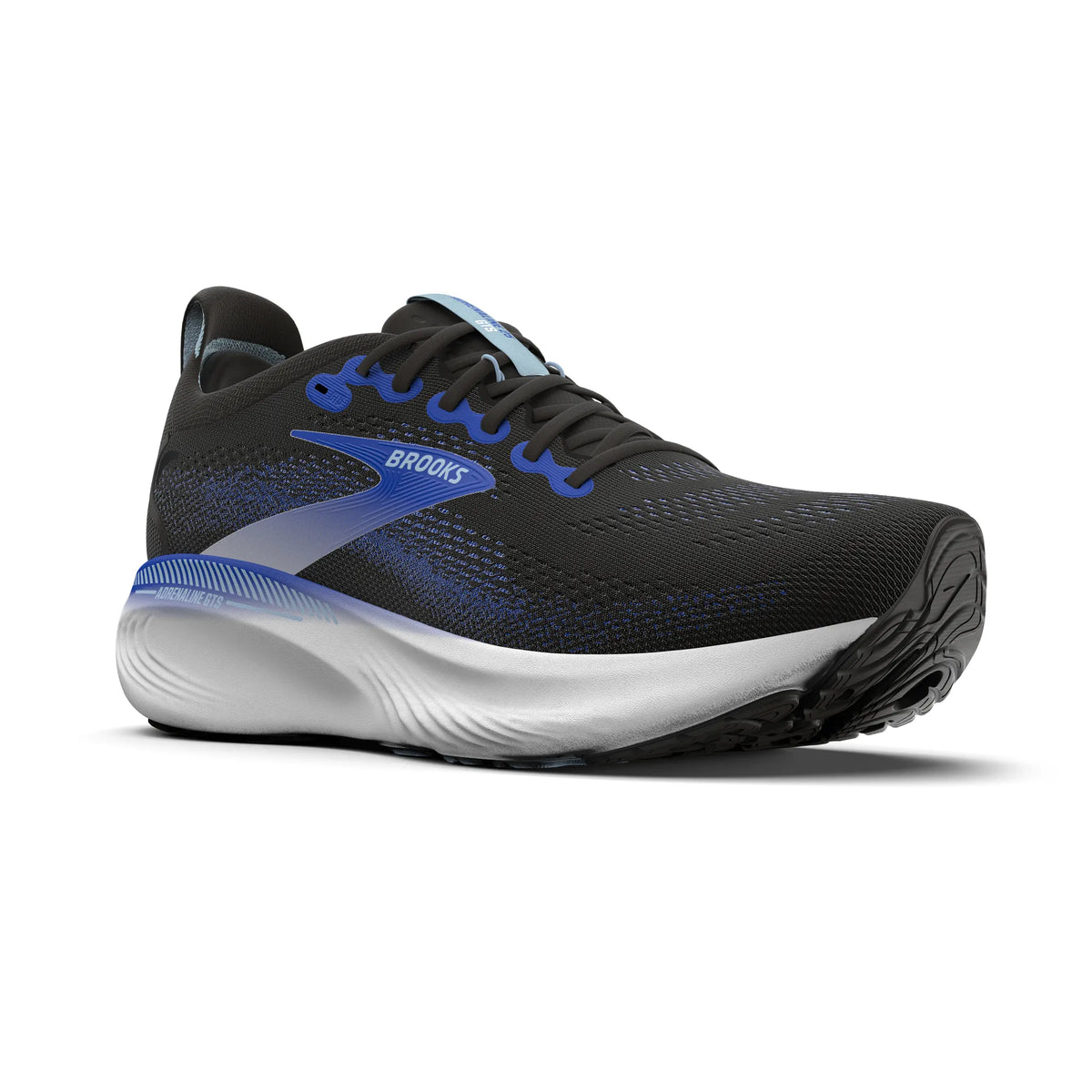
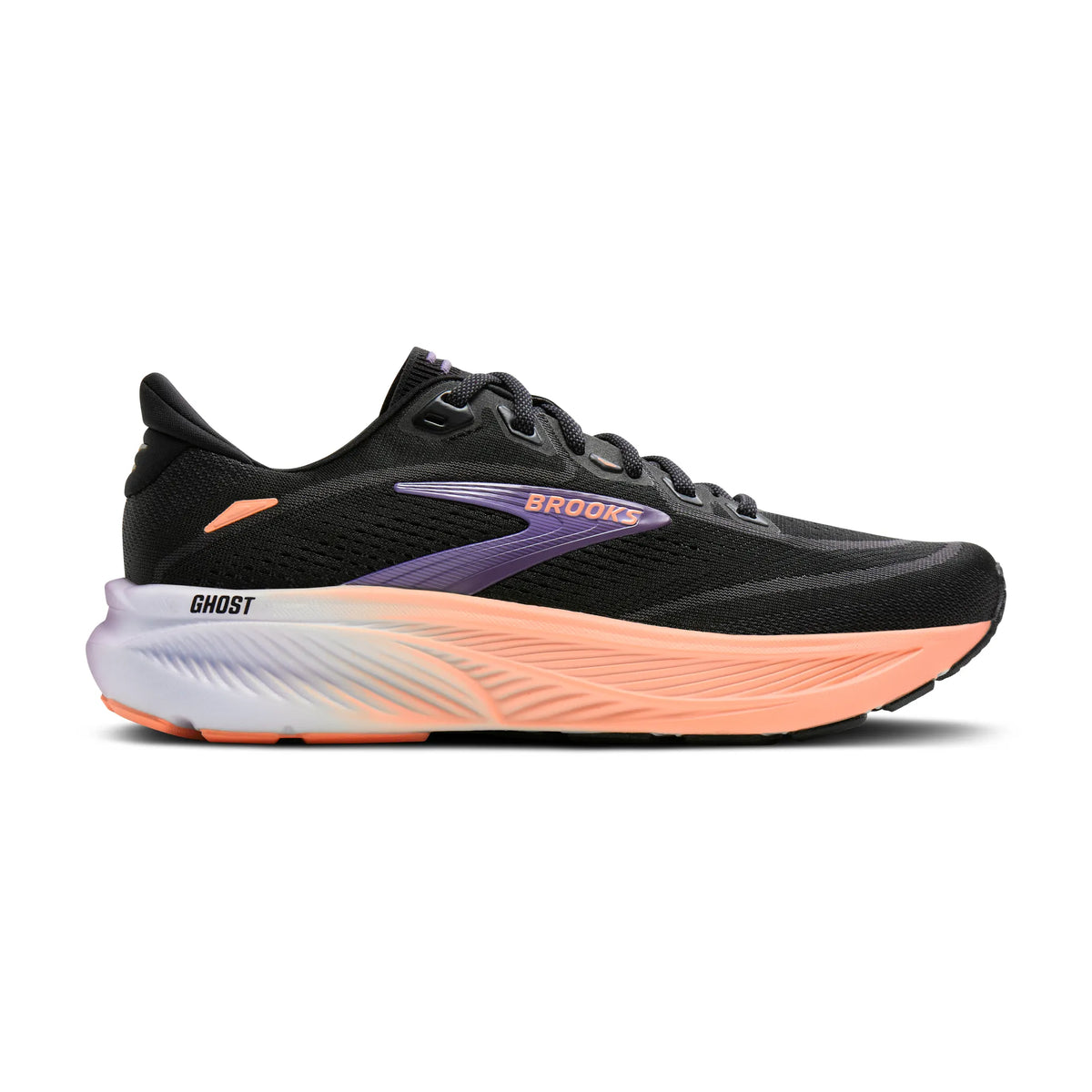
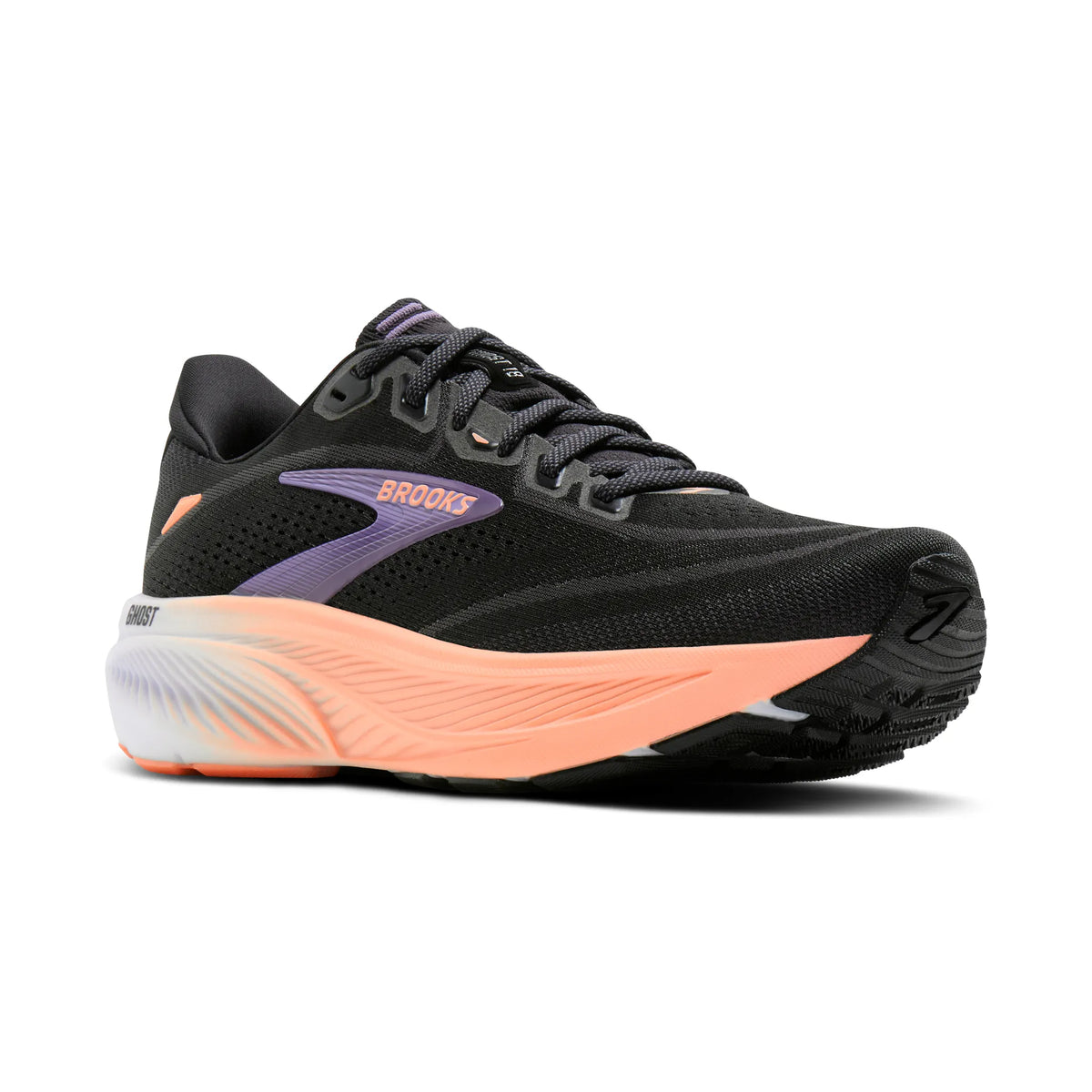
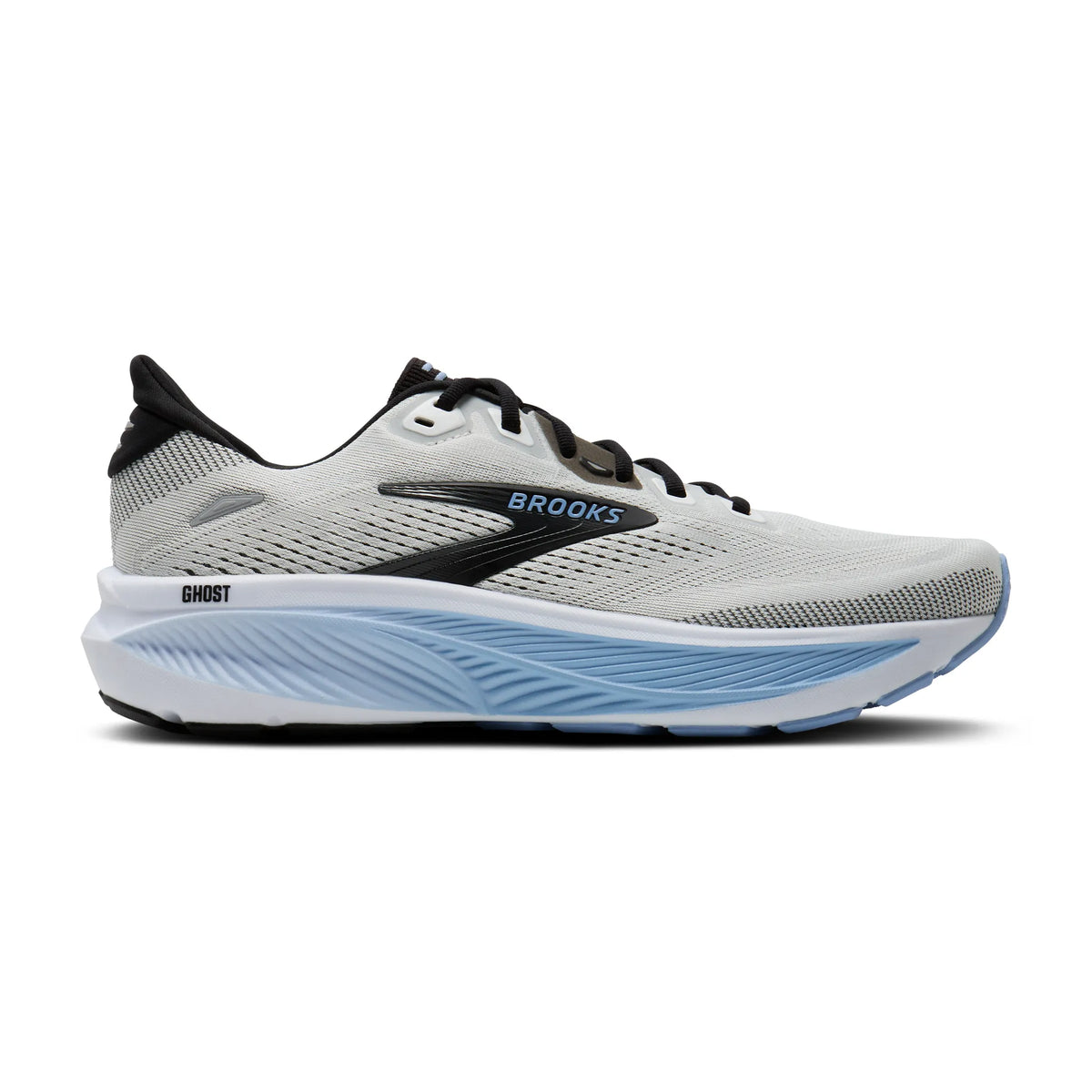
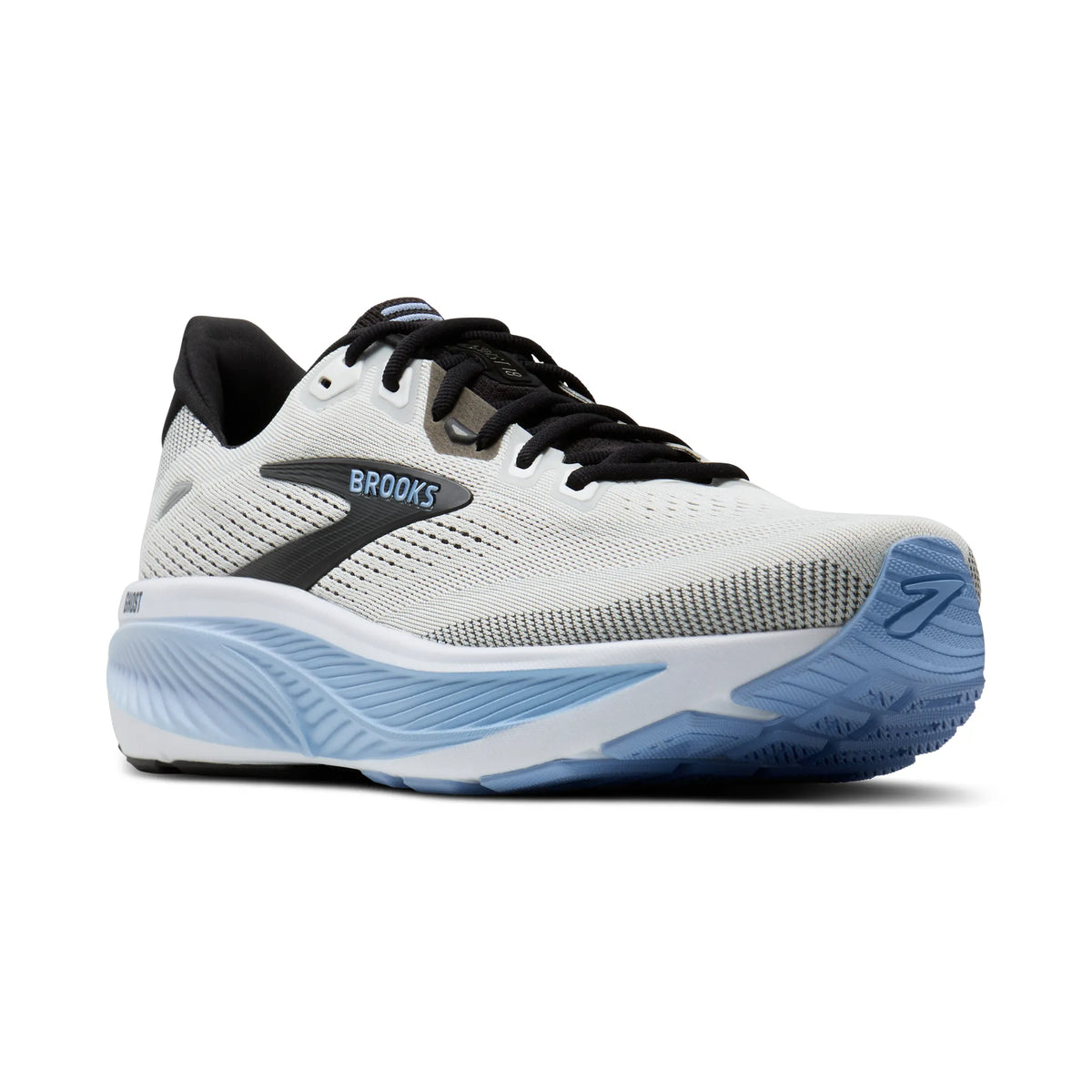
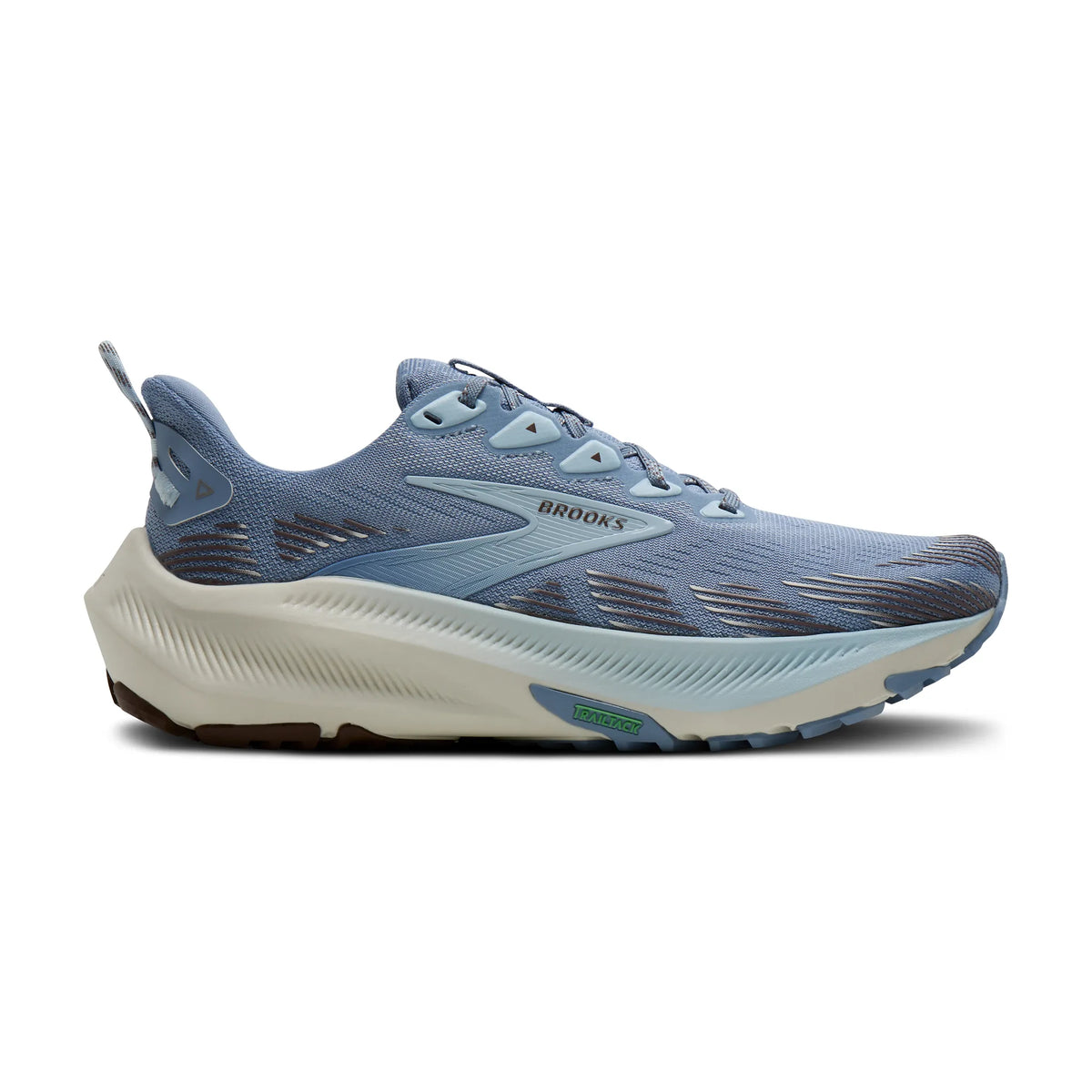
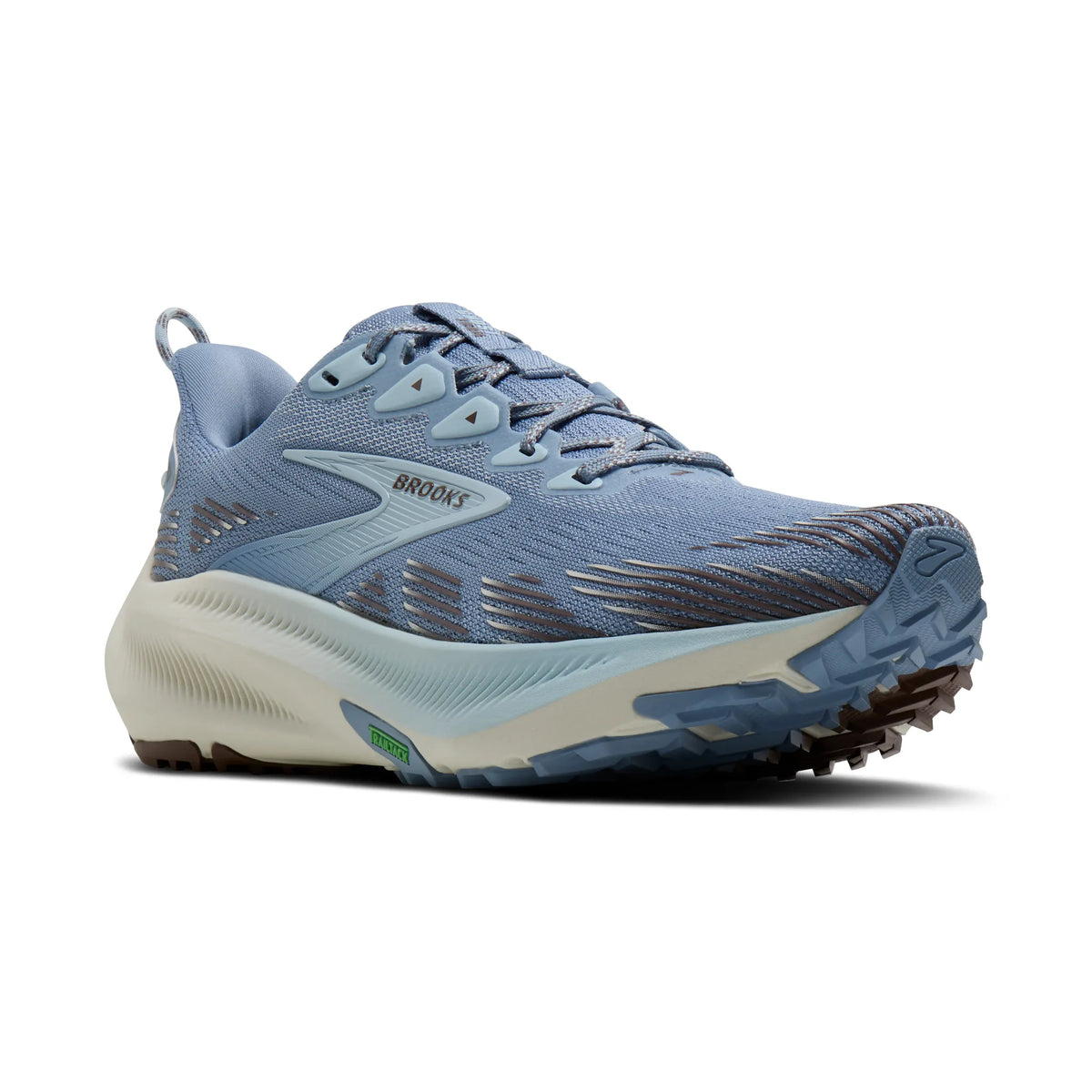
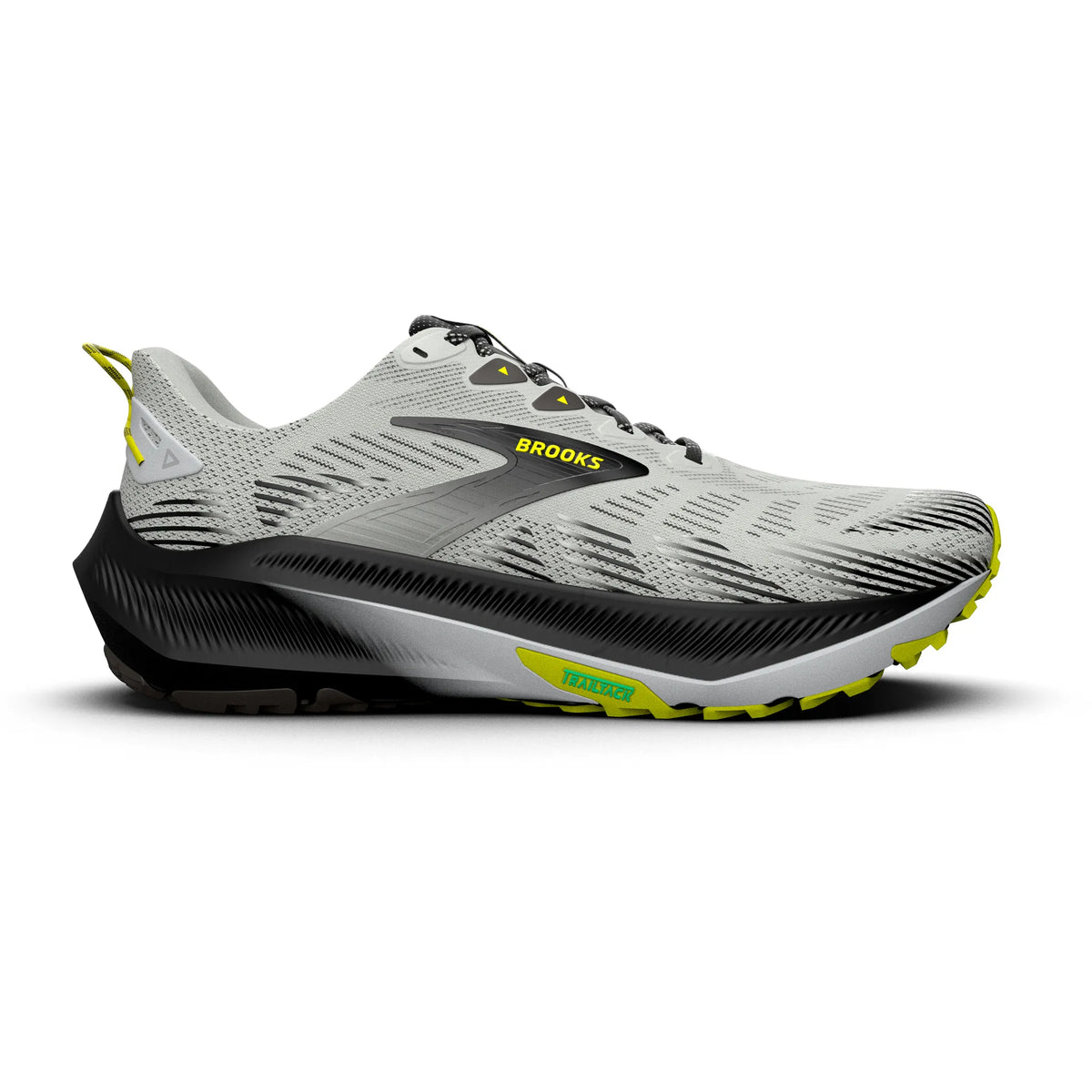
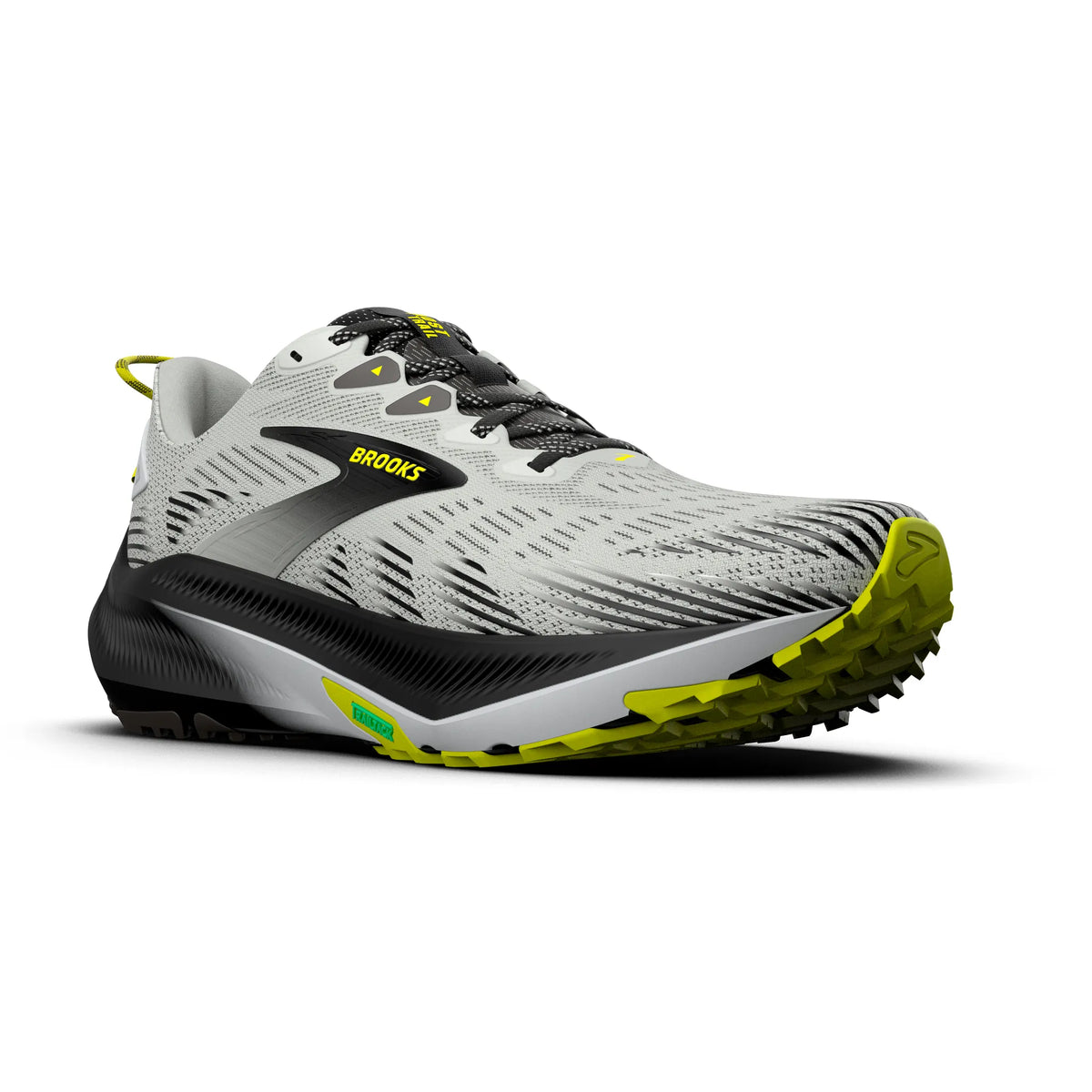
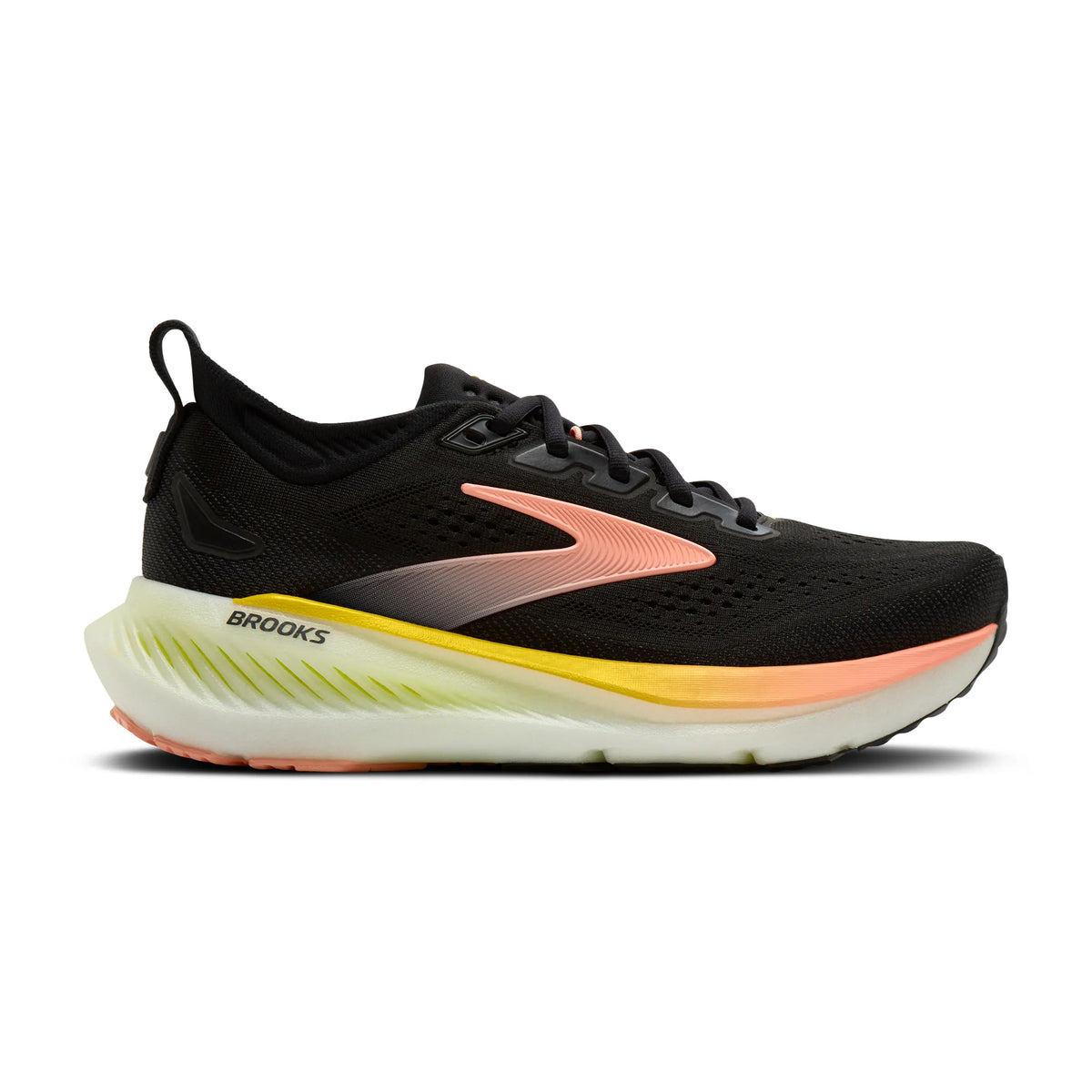
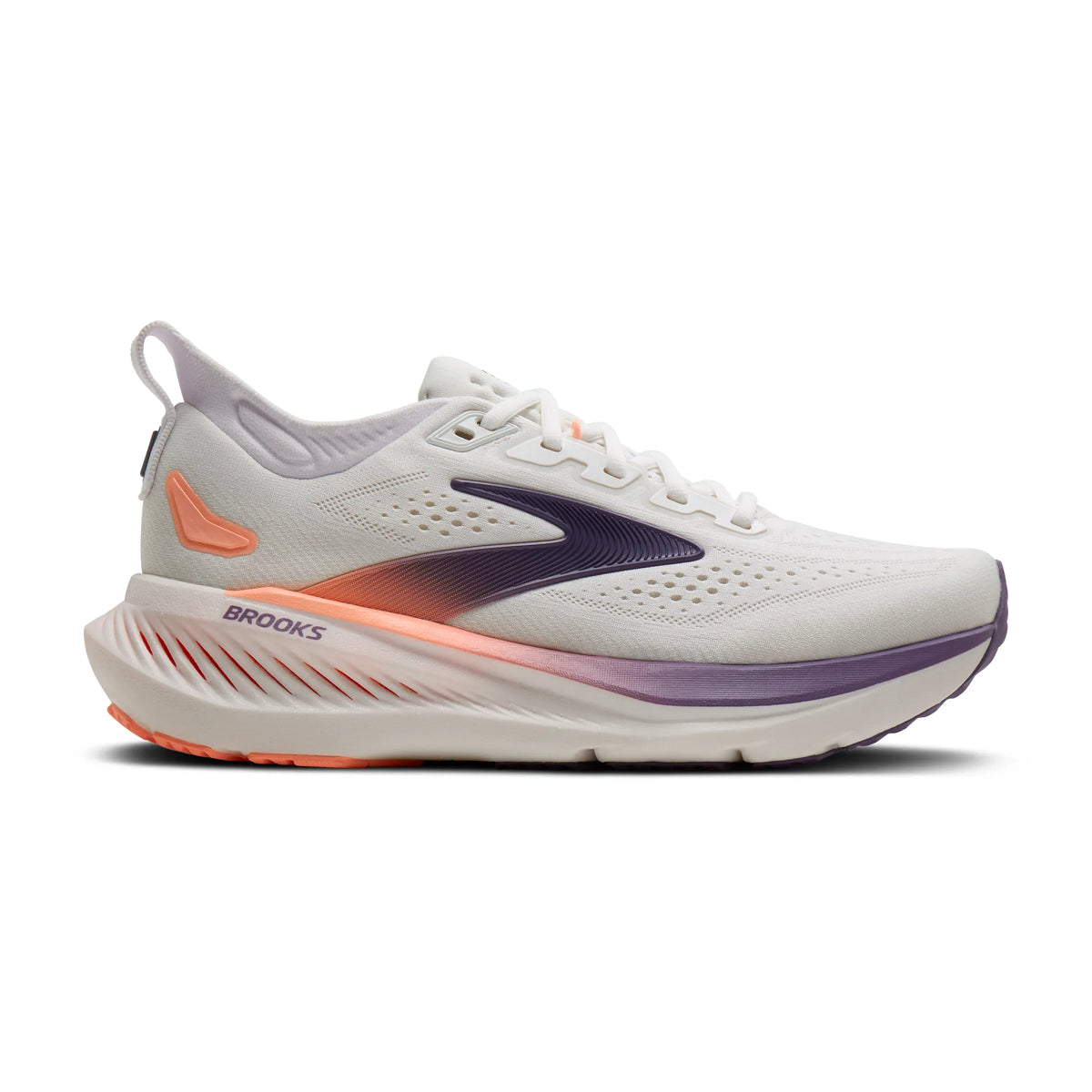
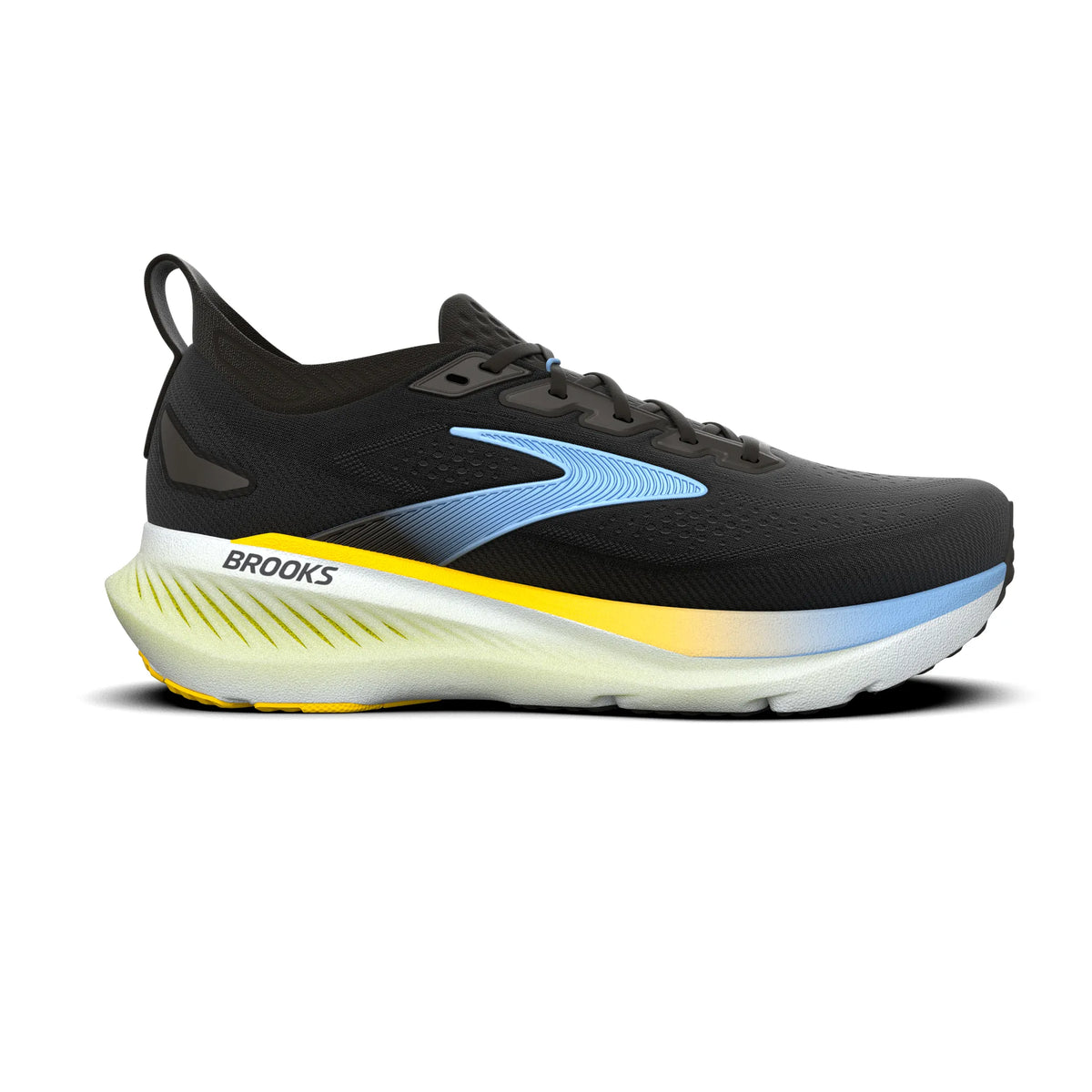
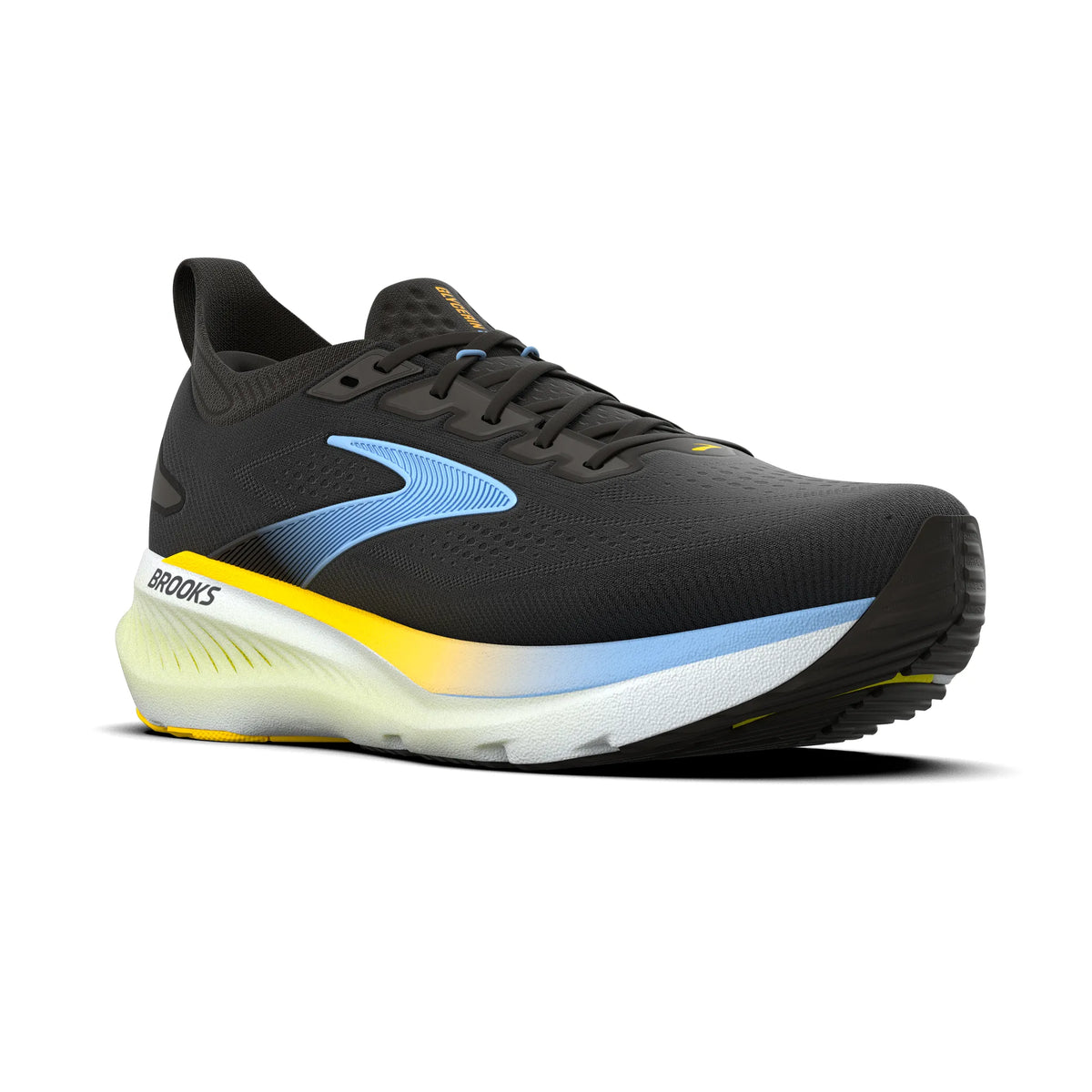
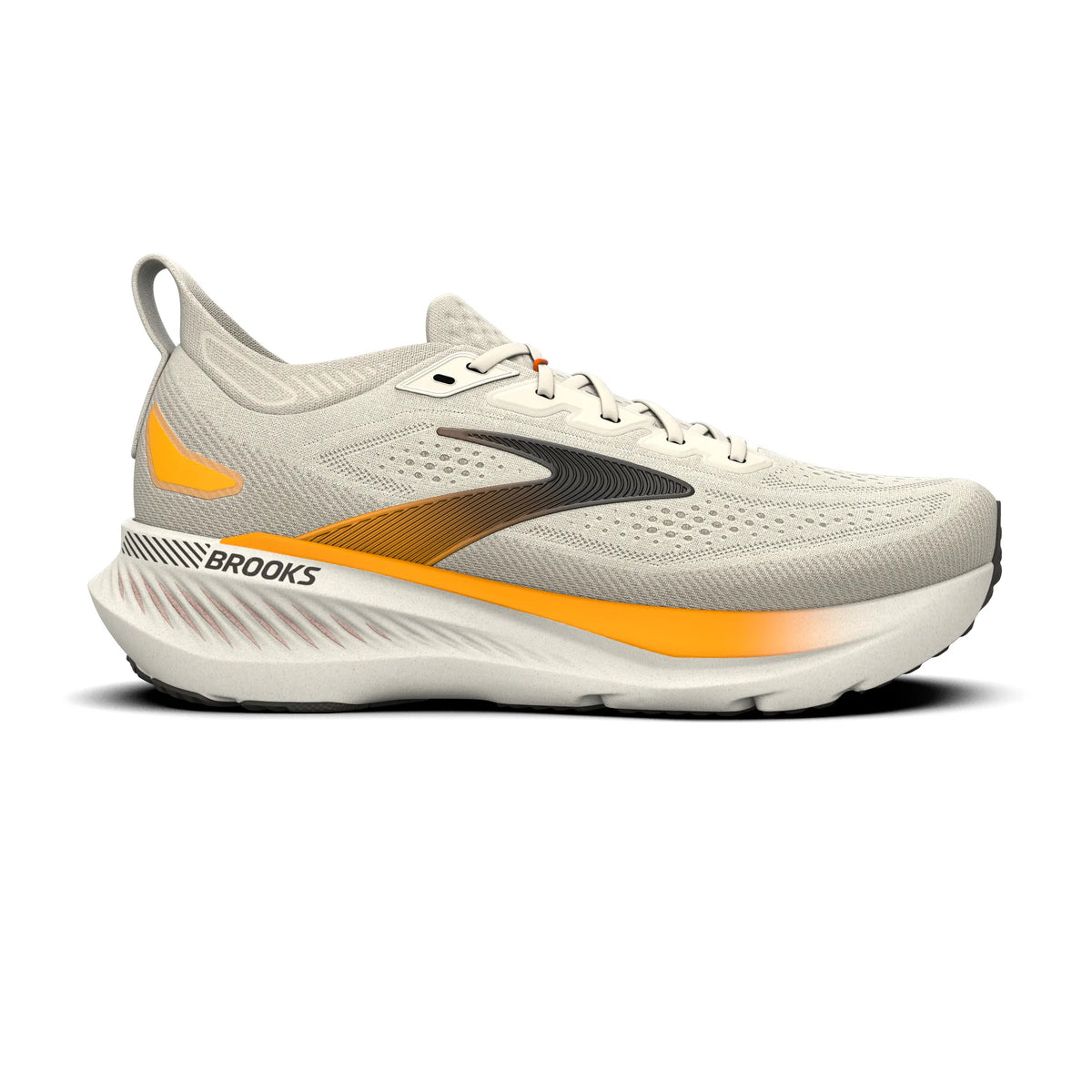
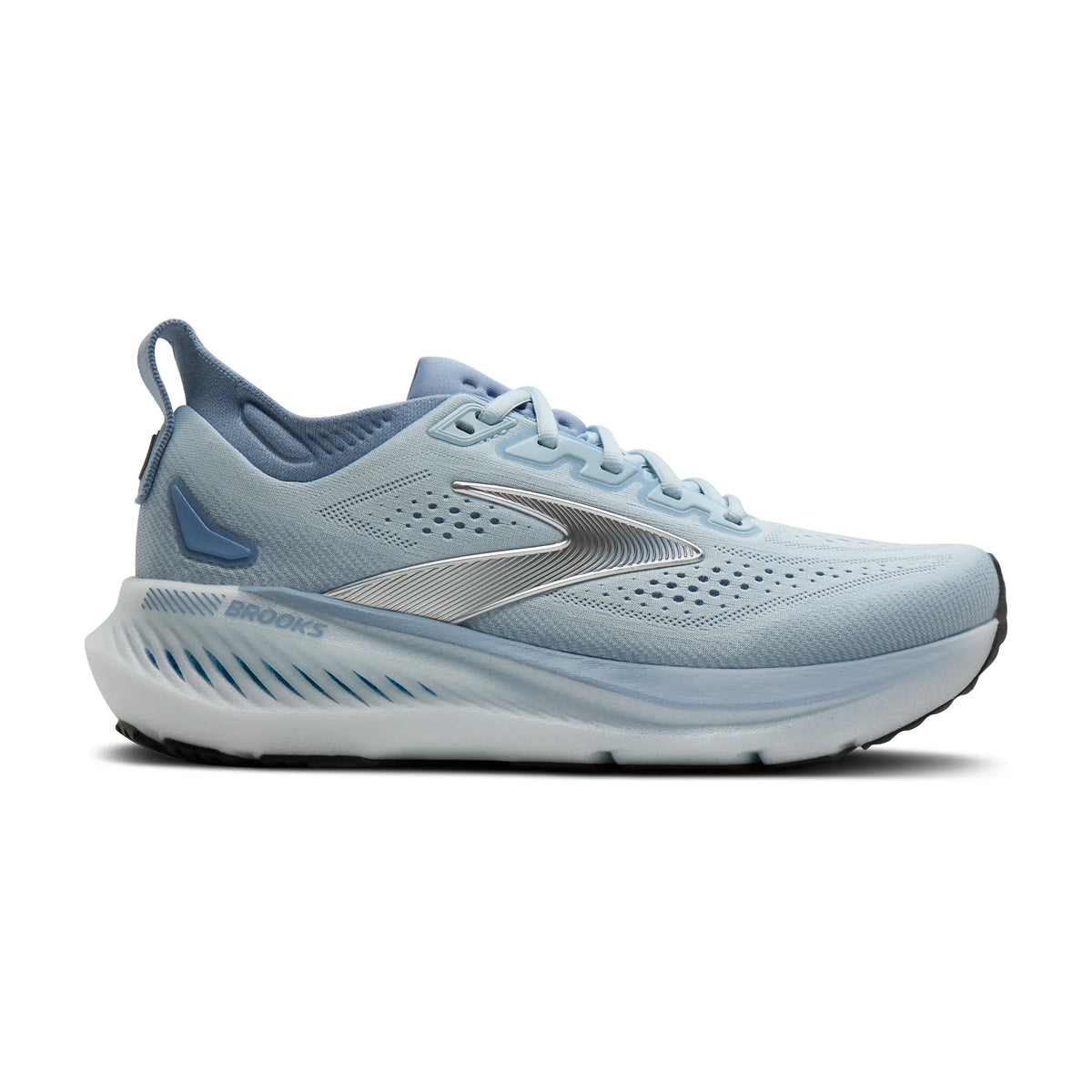
Zone 2 is the natural territory of daily trainers and cushioned running shoes.
Comfort, stability, and the ability to handle many kilometers often become more important than seeking maximum lightness.
And this is also one of the reasons why many runners use different shoes throughout the week.
In conclusion
Running slowly does not mean training poorly.
It means giving every workout a purpose.
True evolution happens when we stop turning every run into a race against our last kilometer.
Need to rack up the miles?
Discover the Affari&Sport running shoes designed for daily training, long slow runs, and long distances.